Kamis, 31 Juli 2025

132+ Wall Mounted Storage Cubes With Drawers, Baskets, And Hooks

High resolution dark grey concrete wall texture background, cement wall. 14215048 stock photo at www.vecteezy.com

Introduction: Declutter and Organize with DIY Wall-Mounted Storage Cubes! Tired of clutter taking over your space? Wall-mounted storage cubes are a fantastic solution, offering versatile storage options without taking up precious floor space. This step-by-step guide will walk you through building your own customizable storage unit complete with drawers, baskets, and hooks! Get ready to transform your walls into a functional and stylish storage solution.
Materials and Tools: Getting Started Before we dive in, gather your supplies. The exact dimensions will depend on your desired size and configuration, so adjust accordingly.
  • Wood: Plywood (¾ inch thick) for the cube structure and drawer boxes. Consider different wood types for aesthetic appeal.
  • Drawer Slides: Choose the appropriate size and weight capacity for your drawers.
  • Baskets: Select baskets that fit comfortably within your cube openings.
  • Hooks: Heavy-duty hooks for hanging items like coats, bags, or tools.
  • Wood Glue: For strong and durable joints.
  • Screws: Wood screws for assembly.
  • Sandpaper: Various grits for smoothing surfaces.
  • Wood Finish: Paint, stain, or varnish to protect and beautify your project.
  • Tools: Saw (circular saw or table saw), Drill, Screwdriver, Measuring tape, Square, Clamps, Sander, Safety glasses, Dust mask.
  • Step 1: Designing Your Storage Unit Plan your layout carefully. Consider the dimensions of your wall space, the items you want to store, and the number of cubes, drawers, baskets, and hooks you need. Draw a sketch with precise measurements to guide your cutting. Determine the internal dimensions of the cubes to ensure your chosen baskets and drawers will fit comfortably. Remember to account for the thickness of the wood when calculating cuts.
    Step 2: Cutting the Wood Based on your design, carefully cut all the plywood pieces to the correct dimensions using your saw. Double-check your measurements before each cut to minimize errors. Cut pieces for the cube sides, top, bottom, back, and drawer boxes (front, back, sides, bottom). Use safety glasses and a dust mask during this step.
    Step 3: Assembling the Cubes Begin assembling the cube frames. Apply wood glue to the edges of the side pieces and clamp them to the top and bottom pieces. Ensure the corners are square using a square tool. Secure the joints with screws, pre-drilling pilot holes to prevent the wood from splitting. Once the glue has dried, attach the back panel to the cube frame, gluing and screwing it in place. This will add rigidity to the structure.
    Step 4: Building the Drawers Assemble the drawer boxes. Apply wood glue to the edges of the drawer sides and clamp them to the front and back pieces. Ensure the corners are square. Secure the joints with screws. Attach the drawer bottom to the assembled drawer box, gluing and screwing it in place.
    Step 5: Installing Drawer Slides Install the drawer slides according to the manufacturer's instructions. Attach one part of the slide to the inside of the cube and the other part to the sides of the drawer box. Ensure the slides are properly aligned for smooth drawer operation.
    Step 6: Sanding and Finishing Sand all the wood surfaces thoroughly with progressively finer grits of sandpaper to achieve a smooth finish. Pay attention to edges and corners. Wipe away any sawdust before applying your chosen wood finish. Apply paint, stain, or varnish according to the product instructions. Allow the finish to dry completely before proceeding.
    Step 7: Installing Baskets and Hooks Slide the baskets into the designated cube openings. If necessary, you can add small cleats or supports inside the cubes to ensure the baskets sit securely. Attach the hooks to the outside of the cubes using screws. Choose appropriate placement based on what you intend to hang.
    Step 8: Mounting the Storage Unit Locate the wall studs where you want to mount the storage unit. Pre-drill holes through the back panel of the cubes, aligning them with the wall studs. Secure the cubes to the wall using screws that are long enough to penetrate the studs deeply. Ensure the unit is level before fully tightening the screws. For added security, consider using wall anchors in addition to screws.
    Conclusion: Enjoy Your Organized Space! Congratulations! You've successfully built your own wall-mounted storage cubes with drawers, baskets, and hooks. Now you can enjoy a more organized and clutter-free space. Customize and adapt your design as needed to meet your changing storage needs. Enjoy your creation!

    High Resolution Dark Grey Concrete Wall Texture Background, Cement Wall. 14215048 Stock Photo At

    High resolution dark grey concrete wall texture background, cement wall. 14215048 stock photo at www.vecteezy.com

    Wall Free Photo Download

    Wall free photo download www.freeimages.com

    How To Build A Slat Wall

    How to build a slat wall www.artofit.org

    Rabu, 30 Juli 2025

    179+ Woodworking Chair Plans Pdf Free Download

    100+ ideas make your kitchen awesome with pallet www.pinterest.com

    Opening: The DIY Adirondack Chair Your Ultimate Guide Ready to build a classic Adirondack chair for relaxing on your porch or patio? This step-by-step guide will walk you through the process, from gathering materials to enjoying the finished product. Let's get started!
    Step 1: Gather Your Materials and Tools Before you begin, make sure you have everything you need. This includes:
    • Wood (cedar, redwood, or treated pine are good choices)
    • Measuring tape
    • Pencil
    • Circular saw or jigsaw
    • Drill with drill bits
    • Screws (exterior grade)
    • Sandpaper
    • Safety glasses
    • Ear protection
    • Wood glue (exterior grade)
    • Clamps
    Adjust the quantities of wood depending on the size and design you want.
    Step 2: Cut the Pieces First download or create the Adirondack chair plan. Most plans include a cut list. Carefully measure and cut all the pieces according to your plan. Accuracy is key for a well-fitting chair. Label each piece as you cut it to avoid confusion later.
    Step 3: Assemble the Back Support Begin by assembling the back supports. Usually, this involves connecting several vertical slats to horizontal supports. Apply wood glue to the joints before screwing them together. Use clamps to hold the pieces in place while the glue dries. Make sure the slats are evenly spaced according to the plan.
    Step 4: Construct the Seat Next, build the seat frame. This typically involves connecting two side supports with front and back seat supports. Again, use wood glue and screws for a strong joint. Ensure the seat frame is square and level before proceeding. Add seat slats to the frame, spacing them evenly.
    Step 5: Attach the Back to the Seat Now, carefully attach the assembled back support to the seat frame. This is a crucial step that determines the chair's overall angle and comfort. Use screws and wood glue for a secure connection. Double-check the alignment before fully tightening the screws.
    Step 6: Build and Attach the Arms Construct the armrests according to your plan. This may involve shaping them for added comfort. Attach the armrests to the side supports of the seat and the back supports. Ensure they are level and securely fastened.
    Step 7: Add Finishing Touches Sand all surfaces of the chair to remove any rough edges or splinters. Pay particular attention to the edges of the slats and armrests. Consider applying a sealant, stain, or paint to protect the wood and enhance its appearance. Allow the finish to dry completely before using the chair.
    Conclusion: Relax and Enjoy! Congratulations! You've successfully built your own DIY Adirondack chair. Now, find the perfect spot, sit back, and enjoy the fruits of your labor. This chair will provide years of comfort and relaxation on your porch, patio, or in your garden. You can customize the design and finish to perfectly match your style.

    Barn Wood Kitchen

    Barn wood kitchen www.pinterest.com

    Diy Antique Kitchen. Rustic Kitchen Cabinets, Antique Kitchen, Kitchen Redo, Home Decor Kitchen

    Diy antique kitchen. rustic kitchen cabinets, antique kitchen, kitchen redo, home decor kitchen www.pinterest.com

    100+ Ideas Make Your Kitchen Awesome With Pallet

    100+ ideas make your kitchen awesome with pallet www.pinterest.com

    Selasa, 29 Juli 2025

    87+ Foldable Wooden Desk With Storage, Drawers, Hooks, And Storage

    Wooden desk with storage drawers www.aptdeco.com

    Opening: Ready to maximize your workspace and declutter your home? This step-by-step guide will show you how to build a foldable wooden desk with storage, drawers, hooks, and shelves! This DIY project will require some woodworking skills, but with patience and careful execution, you'll have a functional and space-saving desk in no time. Let's get started!
    Step 1: Planning and Design: Before you start cutting wood, you need a detailed plan.
  • Decide on the overall dimensions of your desk when both open and folded. Consider the available space and desired work surface area.
  • Sketch out the design, including the placement of drawers, shelves, hooks, and the folding mechanism.
  • Create a cut list specifying the dimensions and quantities of each piece of wood required.
  • Choose your lumber. Plywood is suitable for larger surfaces like the desktop and shelves. Hardwood (like oak or maple) is recommended for the frame, legs, and drawer fronts for added durability.
  • Step 2: Gathering Materials and Tools: Make sure you have everything you need before you begin.
  • Lumber (according to your cut list)
  • Wood screws of various lengths
  • Wood glue
  • Sandpaper (various grits)
  • Wood stain or paint and sealant
  • Drawer slides
  • Drawer knobs or pulls
  • Hinges (for the folding mechanism and drawer fronts, if applicable)
  • Hooks
  • Safety glasses
  • Dust mask
  • Measuring tape
  • Pencil
  • Saw (circular saw, table saw, or hand saw)
  • Drill/Driver
  • Screwdriver
  • Clamps
  • Sander
  • Wood filler
  • Step 3: Building the Frame: The frame will provide the structural support for the desk.
  • Cut the frame pieces according to your cut list.
  • Assemble the frame using wood glue and screws. Ensure the frame is square and sturdy. Use clamps to hold the pieces together while the glue dries.
  • Add cross supports to the frame for added stability, especially if the desk is designed to hold heavy items.
  • Step 4: Creating the Desktop and Shelves: These are the primary work surfaces and storage areas.
  • Cut the desktop and shelf pieces from your lumber.
  • Sand all surfaces smooth.
  • Attach the shelves to the frame using wood glue and screws.
  • Consider adding a lip or edging to the shelves to prevent items from sliding off.
  • Attach the desktop to the frame.
  • Step 5: Constructing the Drawers: The drawers offer hidden storage space.
  • Cut the drawer pieces according to your dimensions.
  • Assemble the drawer boxes using wood glue and screws or dovetail joints.
  • Install the drawer slides on the frame and drawer boxes, ensuring they are level and aligned correctly.
  • Attach the drawer fronts to the drawer boxes.
  • Install drawer knobs or pulls.
  • Step 6: Implementing the Folding Mechanism: This is the key to making the desk foldable.
  • Determine the best type of hinges for your design. Piano hinges or heavy-duty folding hinges are good options.
  • Carefully attach the hinges to the frame and the folding part of the desk (usually the desktop). Make sure they are aligned correctly to allow for smooth folding.
  • Test the folding mechanism to ensure it operates smoothly and locks securely in both the open and folded positions.
  • Step 7: Adding Hooks and Finishing Touches: Hooks provide additional storage and functionality.
  • Install hooks on the sides of the desk or along the back to hang items like headphones, bags, or tools.
  • Sand all surfaces again to ensure a smooth finish.
  • Apply wood filler to any nail holes or imperfections. Let it dry and sand it smooth.
  • Apply your chosen stain or paint to the desk. Let it dry completely.
  • Apply a sealant to protect the finish and make it more durable.
  • Conclusion: Congratulations! You've successfully built a foldable wooden desk with storage. This space-saving and functional piece will add value to your home and provide a convenient workspace. Enjoy your creation! Remember to always prioritize safety when working with power tools.

    Wall Mounted Foldable Desk With Storage Shelf

    Wall mounted foldable desk with storage shelf spsfurntiure.com

    Lightweight Foldable Wooden Desk

    Lightweight foldable wooden desk www.aptdeco.com

    Wooden Desk With Storage Drawers

    Wooden desk with storage drawers www.aptdeco.com

    Minggu, 27 Juli 2025

    151+ Woodworking Plans For Console Table

    Wood illustrations, part 3 :: behance www.behance.net

    Opening: Embark on a DIY Console Table Adventure!
    Are you ready to add a personalized touch to your home decor? Building your own console table is a rewarding project that allows you to customize the size, style, and finish to perfectly match your space. This step-by-step guide will walk you through the process, from gathering materials to the final touches. Let's get started!
    Step 1: Planning and Design
    Before you even think about picking up a saw, you need a solid plan. Consider these factors:
  • Dimensions: Measure the space where you intend to place the console table. Decide on the ideal length, width, and height.
  • Style: Research different console table styles to find one that resonates with your taste and complements your existing furniture. Examples include farmhouse, modern, rustic, or minimalist.
  • Material: Select your preferred wood. Pine is an affordable option for beginners, while hardwoods like oak or maple offer greater durability and a more refined look. Consider also the finish and any hardware you might want to add.
  • Sketch: Create a detailed sketch of your console table, including all dimensions and joinery details. This will serve as your blueprint throughout the project. Use a CAD program or pencil and paper whichever you're most comfortable with.
  • Step 2: Gathering Materials and Tools
    Once you have a plan, it's time to gather your supplies. Here's a list of essential materials and tools:
  • Wood: Purchase the necessary amount of lumber based on your plan. Remember to account for waste.
  • Fasteners: Choose screws, nails, or dowels, depending on your chosen joinery method.
  • Wood Glue: High-quality wood glue is essential for strong and durable joints.
  • Sandpaper: Various grits (e.g., 80, 120, 220) for smoothing the wood.
  • Finishing Supplies: Stain, paint, varnish, or polyurethane to protect and enhance the wood.
  • Safety Gear: Safety glasses, ear protection, and a dust mask are crucial for safety.
  • Measuring Tools: Tape measure, ruler, square, and level.
  • Cutting Tools: Saw (circular saw, miter saw, or hand saw).
  • Drilling Tools: Drill with various drill bits, including a countersink bit.
  • Clamps: Several clamps to hold pieces together while the glue dries.
  • Optional Tools: Router (for decorative edges), sander (for faster sanding).
  • Step 3: Cutting the Wood
    Carefully cut all the wood pieces according to your plan. Double-check your measurements before each cut to avoid errors. If using a power saw, ensure it's properly adjusted and that you have a stable work surface. Always wear safety glasses and ear protection. Label each piece as you cut it to keep things organized.
    Step 4: Assembling the Console Table
    This is where your design comes to life!
  • Dry Fit: Before applying glue, dry-fit all the pieces to ensure they fit together correctly. Make any necessary adjustments.
  • Glue and Clamp: Apply wood glue to the joints and clamp the pieces together tightly. Use enough clamps to ensure even pressure across the entire joint.
  • Check for Square: While the glue is wet, use a square to ensure the table is square and that all corners are at right angles.
  • Remove Excess Glue: Wipe away any excess glue with a damp cloth.
  • Drying Time: Allow the glue to dry completely according to the manufacturer's instructions (usually 24 hours).
  • Fasteners: Depending on your joinery method, drive screws, nails, or insert dowels to reinforce the joints after the glue has dried. Countersink screws and fill the holes with wood filler if desired.
  • Step 5: Sanding and Finishing
    Sanding is crucial for a smooth and professional finish.
  • Sanding: Start with a coarser grit sandpaper (e.g., 80 or 120) to remove any imperfections, then gradually move to finer grits (e.g., 220) for a smooth surface. Sand with the grain of the wood.
  • Dust Removal: Thoroughly remove all sanding dust with a tack cloth or vacuum cleaner.
  • Finishing: Apply your chosen finish according to the manufacturer's instructions. This may involve applying a stain, followed by a protective coat of varnish or polyurethane. Apply multiple thin coats for a more durable finish, sanding lightly between coats.
  • Step 6: Final Touches
    Add any final touches, such as hardware (knobs, pulls), decorative elements, or felt pads on the bottom of the legs to protect your floors. Inspect the table for any imperfections and make any necessary repairs or touch-ups.
    Conclusion: Enjoy Your Handcrafted Console Table!
    Congratulations! You've successfully built your own console table. Step back and admire your handiwork. You now have a unique and personalized piece of furniture that you can be proud of. Enjoy your creation!

    Northern Lights Landscape Painting On Wood Slice Original Wall Art Mountains And Trees Pink And

    Northern lights landscape painting on wood slice original wall art mountains and trees pink and www.etsy.com

    Portfolio —melpomeni Chatzipanagiotou, Artist

    Portfolio —melpomeni chatzipanagiotou, artist www.melpomenichatzipanagiotou.com

    Wood Illustrations, Part 3 :: Behance

    Wood illustrations, part 3 :: behance www.behance.net

    Sabtu, 26 Juli 2025

    173+ Rustic Wooden Shelf With Hooks

    Rustic wall hook shelf with organizing hooks www.pinterest.com

    Opening: Rustic Charm for Your Home Are you looking to add a touch of rustic elegance and functionality to your home? Building your own rustic wooden shelf with hooks is a rewarding DIY project that's both affordable and customizable. This guide will walk you through each step, from gathering materials to proudly displaying your creations. Let's get started!
    Step 1: Gather Your Materials Before you begin, you'll need to assemble the necessary tools and materials. Here's what you'll need:
  • Reclaimed wood or new lumber (choose your desired dimensions)
  • Hooks (number and style based on preference)
  • Wood screws
  • Wood glue
  • Sandpaper (various grits)
  • Wood stain or paint (optional)
  • Measuring tape
  • Pencil
  • Saw (hand saw or power saw)
  • Drill with appropriate drill bits
  • Screwdriver
  • Safety glasses
  • Work gloves
  • Step 2: Prepare the Wood Prepare the lumber for the rustic wooden shelf by first cutting it to the required size using a saw. Ensure all cuts are clean and accurate. Next, sand all surfaces smooth using progressively finer grits of sandpaper, starting with a coarser grit to remove imperfections and ending with a fine grit for a smooth finish.
    Step 3: Assemble the Shelf Apply wood glue to the edges of the wood pieces that will form the shelf. Clamp the pieces together securely and then drill pilot holes through the joints. Secure the shelf together using wood screws, ensuring they are countersunk to prevent them from protruding. Allow the glue to dry completely according to the manufacturer's instructions.
    Step 4: Sanding and Finishing Once the glue is dry, give the entire shelf another light sanding to ensure a smooth, even surface. At this point you will finish with any paint or stain to color the shelf to your liking. Apply the stain or paint in thin, even coats, allowing each coat to dry completely before applying the next. Consider distressing the wood slightly for a more rustic look.
    Step 5: Attach the Hooks Measure and mark the desired locations for the hooks along the front edge of the shelf. Use a drill bit slightly smaller than the screw size of the hooks to drill pilot holes. Then, screw the hooks into place, ensuring they are securely fastened and evenly spaced.
    Step 6: Mounting the Shelf Determine where you want to mount your shelf. Use a stud finder to locate wall studs for secure mounting. Mark the positions for your mounting screws on the wall. Drill pilot holes into the wall studs. Position the shelf against the wall and screw it securely into the wall studs using appropriate screws. If you can't mount directly to studs, use wall anchors to support the weight of the shelf and its contents.
    Conclusion: Enjoy Your Rustic Creation Congratulations! You've successfully built your own rustic wooden shelf with hooks. Now you can display your favorite items and add a touch of rustic charm to any room. This DIY project is not only functional but also a great way to personalize your home decor. Enjoy the fruits of your labor!

    Rustic Wall Hook Shelf With Organizing Hooks

    Rustic wall hook shelf with organizing hooks www.pinterest.com

    Rustic Wooden Shelf With Vintage (and Rabbit) Coat Hooks

    Rustic wooden shelf with vintage (and rabbit) coat hooks flyingchilders.com

    Rustic Wooden Shelf With Hooks

    Rustic wooden shelf with hooks www.nativerange.com

    Jumat, 25 Juli 2025

    96+ Woodworking Trees

    Woodwork woodworking art pdf plans s3-us-west-1.amazonaws.com

    Opening: The Enchanting World of DIY Tree Construction Welcome to the fascinating world of crafting your own miniature wooden trees! Whether you're seeking to add a touch of rustic charm to your holiday decorations, create a whimsical forest scene for your miniature railway, or simply enjoy a rewarding woodworking project, building your own trees is a fun and satisfying endeavor. This guide will walk you through the process, step by step, ensuring you create delightful arboreal creations.
    Step 1: Gathering Your Materials The first step is to assemble the necessary materials. These can vary depending on the style of tree you desire, but here's a basic list to get you started:
  • Wood: Consider using dowels, branches, or scrap wood for the trunk. For the foliage, you might want thin plywood, balsa wood, craft foam, or even natural materials like dried moss or lichen.
  • Cutting Tools: A saw (coping saw, jigsaw, or handsaw), utility knife, or craft knife are essential for shaping the wood.
  • Adhesive: Wood glue, hot glue, or a strong craft glue will be needed to assemble the tree.
  • Finishing Materials: Paint, stain, varnish, glitter, or other decorative elements to add the final touches.
  • Sandpaper: For smoothing rough edges and preparing the wood for finishing.
  • Optional: Drill, Drill Bits (for adding branches), Clamps.
  • Step 2: Preparing the Trunk The trunk is the foundation of your tree. If you're using a dowel, you can simply cut it to the desired height. For branches or scrap wood, you may need to trim and shape it to create a more natural look. Use sandpaper to smooth any rough edges or splinters. If you want branches to extend directly from the trunk, now is the time to drill small holes where the branches will be placed. Ensure these holes are appropriately sized for the material you are using for the branches.
    Step 3: Crafting the Foliage Now comes the fun part: creating the foliage! There are several approaches you can take:
  • Layered Discs: Cut out progressively smaller discs from thin plywood or balsa wood. Drill a hole in the center of each disc. Thread the discs onto the trunk, securing each one with glue. Rotate each disc slightly to create a fuller, more natural look.
  • Cones: Cut a semi-circle from craft foam or felt. Roll it into a cone shape and glue the edges together. Attach the cone to the top of the trunk. You can then decorate the cone with paint, glitter, or other embellishments.
  • Natural Materials: Carefully glue dried moss, lichen, or other natural materials onto the trunk, building up layers to create the desired shape.
  • Branching Method: Use small twigs, wire, or similar materials to insert into pre-drilled holes within the trunk for branches. Glue or fix them securely. You can attach leaves or other foliage material to these branch structures.
  • Step 4: Assembling the Tree With the trunk and foliage prepared, it's time to assemble your tree. If you are using layers, thread them onto the trunk and secure with glue. For cones, simply glue the cone to the top of the trunk. When using natural materials, take care to distribute them evenly and create a balanced shape. If you are using branches fixed into drilled holes, ensure the glue is completely dry before moving to the next step. Clamps might be useful to hold everything in place while the glue dries.
    Step 5: Finishing Touches Once the glue has dried, it's time to add the finishing touches. Paint or stain the trunk to give it a more realistic look. Add snow using white paint or glitter. Embellish the foliage with beads, sequins, or other decorations. Consider adding a base to the tree for stability. This could be a small wooden disc, a piece of bark, or even a small pot filled with plaster. Be creative and personalize your tree to your liking!
    Conclusion: Your Miniature Forest Awaits! Congratulations! You've successfully crafted your own miniature wooden tree. With a little patience and creativity, you can create a whole forest of unique and charming trees. Experiment with different materials, techniques, and finishing touches to develop your own signature style. Enjoy the process and let your imagination run wild!

    Show Us Your Stuff

    Show us your stuff highlandwoodworking.com

    Woodwork Woodworking Art Pdf Plans

    Woodwork woodworking art pdf plans s3-us-west-1.amazonaws.com

    Clinker Built Whitehall Row Boat 12 Feet

    Clinker built whitehall row boat 12 feet spyglassshop.com

    Kamis, 24 Juli 2025

    68+ Workbench With Built-In Tool Storage

    Craftsman stationary work bench: 29-1/2" wide, 18" deep, 40-1/4" high, black red 23167927 msc atelier-yuwa.ciao.jp

    ```html
    Introduction: The Ultimate DIY Workbench with Built-In Tool Storage Ready to elevate your workshop game? This guide will walk you through building a robust and highly functional workbench featuring integrated tool storage. This project combines a sturdy work surface with drawers and cabinets to keep your tools organized and easily accessible. Prepare for a rewarding build that will significantly improve your workspace.
    Materials and Tools: Gather Your Arsenal Before you begin, ensure you have the necessary materials and tools. The exact lumber list will depend on your desired dimensions, but common materials include:
    • Plywood (3/4 inch thickness recommended for the top and cabinet sides)
    • 2x4 lumber (for the frame)
    • 1x4 lumber (for drawer fronts and trim)
    • Drawer slides
    • Cabinet hinges
    • Screws (various lengths)
    • Wood glue
    • Finishing materials (paint, stain, polyurethane)
    • Knobs or pulls for drawers and cabinets
    Tools you'll need:
    • Circular saw or table saw
    • Miter saw
    • Drill/driver
    • Sander
    • Measuring tape
    • Square
    • Clamps
    • Safety glasses and hearing protection
    This list is a starting point; adjust based on your specific design and storage needs.
    Step 1: Building the Frame The frame is the backbone of your workbench. Cut the 2x4 lumber to the desired dimensions for the workbench length, width, and height. Assemble the frame using screws and wood glue. Ensure the corners are square and the frame is sturdy. Reinforce the corners with metal brackets for added stability, if desired. Consider adding a lower shelf to the frame for additional storage.
    Step 2: Creating the Workbench Top Cut the plywood to the desired dimensions for the workbench top. You may choose to laminate two layers of plywood together for extra thickness and durability. Apply wood glue between the layers and clamp them tightly until the glue dries completely. Once dry, sand the top smooth and attach it to the frame using screws. Countersink the screws to create a flush surface.
    Step 3: Constructing the Cabinets Design the layout of your cabinets and drawers based on your storage needs. Cut the plywood to size for the cabinet sides, top, bottom, and back. Assemble the cabinet boxes using screws and wood glue. Ensure the cabinets are square. Consider adding adjustable shelves inside the cabinets.
    Step 4: Building the Drawers Cut the plywood to size for the drawer sides, front, back, and bottom. Assemble the drawer boxes using screws and wood glue. Attach the drawer slides to the drawer boxes and the cabinet frames. Make sure the slides are aligned properly for smooth drawer operation.
    Step 5: Adding Drawer Fronts and Cabinet Doors Cut the 1x4 lumber to size for the drawer fronts and cabinet doors. Attach the drawer fronts to the drawer boxes using screws. Install the cabinet doors using hinges. Ensure the doors swing freely and align properly. Attach knobs or pulls to the drawers and cabinets.
    Step 6: Finishing Touches Sand all surfaces smooth. Apply primer and paint or stain the workbench to your desired color. Apply a clear coat of polyurethane for added protection. Allow the finish to dry completely before using the workbench.
    Conclusion: Your Custom Workbench is Complete! Congratulations! You've successfully built a custom workbench with built-in tool storage. This project provides a sturdy and organized workspace, enhancing your efficiency and enjoyment of woodworking or other DIY projects. Take pride in your creation and enjoy the benefits of a well-organized workshop!
    ```

    "bentism 48x24"" Workbench With Power Outlets, 1500w, 220lbs Load, Heavy-duty Steel"

    "bentism 48x24"" workbench with power outlets, 1500w, 220lbs load, heavy-duty steel" www.walmart.com

    Husky 4 Ft. Solid Wood Top Workbench With Storage-g4801s-us

    Husky 4 ft. solid wood top workbench with storage-g4801s-us www.homedepot.com

    Craftsman Stationary Work Bench: 29-1/2" Wide, 18" Deep, 40-1/4" High, Black Red 23167927 Msc

    Craftsman stationary work bench: 29-1/2" wide, 18" deep, 40-1/4" high, black red 23167927 msc atelier-yuwa.ciao.jp

    Rabu, 23 Juli 2025

    143+ Bed Frame

    44 types of beds by styles, sizes, frames and designs www.homestratosphere.com

    ```html
    Introduction: Building Your Own DIY Bed Frame
    Creating your own bed frame is a rewarding project that allows you to customize the size, style, and materials to perfectly suit your bedroom and budget. This guide will walk you through a simple yet sturdy design, perfect for a beginner DIYer.
    Step 1: Planning and Gathering Materials
    Before you begin, you'll need to plan the dimensions of your bed frame based on your mattress size (Twin, Full, Queen, King, etc.). Then, gather your materials. A basic frame can be built with:
    • Lumber (2x6s for the frame, 4x4s for legs, 1x4s for slats). The amount will depend on the size of your bed.
    • Wood screws (various sizes).
    • Wood glue.
    • Sandpaper.
    • Wood stain or paint (optional).
    • Measuring tape.
    • Saw (circular saw or hand saw).
    • Drill with drill bits.
    • Clamps.
    Step 2: Cutting the Lumber
    Cut the 2x6 lumber according to your planned dimensions. You'll need two long pieces for the sides and two shorter pieces for the head and foot of the bed. Accurately measure and cut the 4x4s for the legs. The height of the legs is a matter of personal preference, but typically ranges from 8 to 12 inches. Finally, cut the 1x4s for the slats. The number of slats will depend on the spacing you desire (generally 3-4 inches apart).
    Step 3: Assembling the Frame
    Using wood glue and screws, attach the side pieces to the head and foot pieces to create a rectangular frame. Ensure the corners are square using a carpenter's square or by measuring the diagonals to ensure they are equal. Clamp the corners while the glue dries for a stronger bond.
    Step 4: Attaching the Legs
    Apply wood glue to the top of each 4x4 leg. Position the legs inside each corner of the frame, flush with the top edge. Use screws to secure the legs to the frame from both the side and head/foot pieces.
    Step 5: Installing the Slats
    Evenly space the 1x4 slats across the frame. Secure each slat to the frame using screws. You can use a spacer block to maintain consistent spacing between the slats.
    Step 6: Sanding and Finishing
    Sand the entire bed frame to smooth out any rough edges or splinters. Wipe away any sanding dust. If desired, apply wood stain or paint to the frame to achieve your desired look. Allow the finish to dry completely according to the manufacturer's instructions.
    Conclusion: Enjoying Your New Bed Frame
    You've now successfully built your own DIY bed frame! Place your mattress on top and enjoy your comfortable and custom-made bed. This project is a great way to save money and add a personal touch to your bedroom.
    ```

    44 Types Of Beds By Styles, Sizes, Frames And Designs

    44 types of beds by styles, sizes, frames and designs www.homestratosphere.com

    Intercon Oak Park Mission Queen Panel Bed With Twelve Underbed Storage Drawers

    Intercon oak park mission queen panel bed with twelve underbed storage drawers www.wayside-furniture.com

    Zinus Amelia 41" Wood Platform Bed Frame With Upholstered Headboard, Full

    Zinus amelia 41 www.walmart.com

    Selasa, 22 Juli 2025

    161+ Woodworking Gazebo

    Gazebo woodworking gazebowoodworking.com

    Opening: Embracing the Outdoors with a DIY Gazebo Dreaming of a tranquil outdoor space where you can relax and enjoy the beauty of your garden? Building your own wooden gazebo can transform your backyard into a peaceful retreat. This step-by-step guide will walk you through the process of constructing a stunning and durable gazebo, allowing you to create a personalized oasis for years to come. Let's get started!
    Step 1: Planning and Design Before you start swinging a hammer, careful planning is essential.
  • Determine the size and shape of your gazebo. Consider the available space in your yard and how you intend to use the gazebo. Square, rectangular, hexagonal, and octagonal shapes are common choices.
  • Create a detailed design or find a gazebo plan online. This should include dimensions, materials list, and construction details.
  • Obtain necessary permits. Check with your local building codes to ensure your gazebo complies with regulations.
  • Gather your tools. Essential tools include: circular saw, miter saw, drill, level, measuring tape, hammer, post hole digger, safety glasses, and work gloves.
  • Step 2: Preparing the Foundation A solid foundation is crucial for the stability and longevity of your gazebo.
  • Mark the location of your gazebo using stakes and string. Ensure the area is level.
  • Dig post holes for the corner posts (and any intermediate posts, depending on your design). The depth of the holes should be below the frost line in your area.
  • Pour gravel into the bottom of each hole for drainage.
  • Set the corner posts in the holes, ensuring they are plumb and level. Use temporary bracing to hold them in place.
  • Pour concrete around the base of each post to secure them. Allow the concrete to cure completely according to the manufacturer's instructions.
  • Step 3: Building the Frame With the foundation in place, you can start building the frame of the gazebo.
  • Cut the base frame members (beams) according to your plan.
  • Attach the beams to the corner posts, ensuring they are level and securely fastened with screws or bolts.
  • Install the floor joists within the base frame. Space them evenly to provide adequate support for the flooring.
  • Attach the flooring material to the floor joists. Use pressure-treated lumber for the flooring to resist moisture and decay.
  • Step 4: Constructing the Roof The roof is a key structural element and adds to the aesthetic appeal of the gazebo.
  • Build the roof rafters according to your plan. The angle of the rafters will determine the pitch of the roof.
  • Attach the rafters to the corner posts and the central support (if any). Ensure they are securely fastened and evenly spaced.
  • Install roof sheathing (plywood or OSB) over the rafters.
  • Cover the sheathing with roofing material, such as shingles, metal roofing, or cedar shakes. Follow the manufacturer's instructions for installation.
  • Step 5: Adding Finishing Touches This step involves adding details that enhance the look and functionality of your gazebo.
  • Install railings or balusters between the corner posts for safety and visual appeal.
  • Add trim to the roof edges, posts, and base to cover exposed joints and create a finished look.
  • Consider adding screens or lattice to the sides of the gazebo for privacy and protection from insects.
  • Apply a sealant or stain to the wood to protect it from the elements and enhance its natural beauty.
  • Conclusion: Enjoy Your Handcrafted Gazebo Congratulations! You've successfully built your own wooden gazebo. This new outdoor space will provide a relaxing retreat for years to come. Take pride in your craftsmanship and enjoy the fruits of your labor. Add some comfortable furniture, decorative lighting, and perhaps even a small water feature to personalize your gazebo and make it truly your own.

    Gazebo Woodworking

    Gazebo woodworking gazebowoodworking.com

    Garden Gazebo

    Garden gazebo lantzwoodworking.com

    Gazebo

    Gazebo lantzwoodworking.com

    Senin, 21 Juli 2025

    148+ DIY Wall Mounted Bookshelf With Cubes

    Wall mounted bookshelf diy www.accessnw.org

    Opening: A Stylish and Functional DIY Bookshelf Ready to elevate your home organization and style? This guide will walk you through building a custom wall-mounted bookshelf with cubes, perfect for displaying books, plants, and decorative items. It's a great DIY project for beginner to intermediate woodworkers, offering a satisfying sense of accomplishment and a truly personalized piece of furniture.
    Materials and Tools:
  • Wood boards (pine, plywood, or your preferred wood) Measure and cut based on your desired bookshelf dimensions. Consider a thickness of at least ¾ inch for durability.
  • Wood screws (appropriate length for your wood thickness)
  • Wood glue
  • Sandpaper (various grits)
  • Wood stain or paint (optional)
  • Polyurethane or varnish (optional)
  • Measuring tape
  • Pencil
  • Circular saw or hand saw
  • Drill with drill bits
  • Screwdriver
  • Clamps
  • Level
  • Stud finder
  • Safety glasses and dust mask
  • Step 1: Planning and Design Before you start cutting wood, carefully plan the dimensions of your bookshelf. Decide on the overall width, height, and depth, as well as the number and size of the cubes. Sketch your design and calculate the exact measurements of each piece of wood you'll need. Remember to account for the thickness of the wood when calculating inner cube dimensions. A well-thought-out plan is crucial for a successful outcome.
    Step 2: Cutting the Wood Using your measurements, carefully cut all the wood pieces to size. If you don't have a saw, most home improvement stores offer wood cutting services. Ensure accurate cuts for a seamless and professional-looking bookshelf. Double-check your measurements before each cut.
    Step 3: Assembling the Cubes Begin assembling the individual cubes. Apply wood glue to the edges of the wood pieces that will be joined together. Clamp the pieces in place to ensure a tight bond. Then, pre-drill holes and drive wood screws through the joints for added strength. Wipe away any excess glue with a damp cloth. Let the glue dry completely according to the manufacturer's instructions.
    Step 4: Sanding and Finishing Once the glue is dry, sand all the surfaces of the cubes, starting with a coarser grit sandpaper and gradually moving to finer grits. This will smooth out any rough edges and prepare the wood for finishing. If you're planning to stain or paint the bookshelf, now is the time to do so. Apply the stain or paint evenly, following the manufacturer's instructions. Once the stain or paint is dry, apply a coat of polyurethane or varnish for added protection and durability.
    Step 5: Assembling the Bookshelf Frame Now, assemble the frame of the bookshelf by connecting the individual cubes. Again, use wood glue and screws to create strong joints. Ensure the cubes are aligned properly before securing them together. Clamps will be essential here to hold everything in place while the glue dries.
    Step 6: Mounting the Bookshelf to the Wall Use a stud finder to locate the wall studs in your desired mounting location. This is crucial for ensuring the bookshelf is securely attached to the wall. Mark the stud locations on the wall. Predrill holes through the back of the bookshelf frame, aligning them with the stud locations. Use screws long enough to penetrate deeply into the studs, providing a strong and secure hold. Use a level to ensure the bookshelf is perfectly straight during installation.
    Conclusion: Enjoy Your New Bookshelf! Congratulations! You've successfully built your own wall-mounted bookshelf with cubes. Now you can proudly display your books, plants, and other treasures. This DIY project is not only a functional addition to your home, but also a testament to your creativity and skills. Enjoy the satisfaction of creating something beautiful and useful with your own hands.

    Diy Wall Bookshelf

    Diy wall bookshelf prettyhandygirl.com

    Wall Mounted Bookshelf Diy

    Wall mounted bookshelf diy www.accessnw.org

    Diy Wall-mounted Bookshelves

    Diy wall-mounted bookshelves createdbyv.com

    Minggu, 20 Juli 2025

    131+ Kids Step Stool With Storage

    The secrets to happy children www.angelibebe.com

    Opening: The Ultimate DIY Kids Step Stool with Storage! Tired of your little ones struggling to reach the sink or needing a boost to grab their favorite toys? This DIY step stool with built-in storage is the perfect solution! Not only does it provide a safe and sturdy step, but it also offers a convenient place to store books, toys, or anything else your child needs close at hand. This project is beginner-friendly, requiring basic woodworking skills and readily available materials. Let's get started!
    Materials and Tools: Before we begin, gather all the necessary materials and tools. This will save you time and frustration later on.
  • Wood (3/4" plywood or solid wood recommended):
    • Two side panels: 12" wide x 12" high
    • Top step: 12" wide x 18" long
    • Bottom step: 12" wide x 12" long
    • Back panel: 12" wide x 10" high
    • Front panel/door: 12" wide x 10" high
    • Bottom panel: 12" wide x 18" long
  • Wood screws (1 1/4" and 2")
  • Wood glue
  • Sandpaper (various grits)
  • Wood filler (optional)
  • Paint or stain
  • Polyurethane or varnish (optional)
  • Hinges (for the door)
  • Magnetic catch (for the door)
  • Handle or knob (for the door)
  • Tools:
    • Saw (circular saw, jigsaw, or hand saw)
    • Drill with drill bits
    • Screwdriver
    • Sander
    • Clamps
    • Measuring tape
    • Pencil
    • Safety glasses
    • Ear protection
  • Step 1: Cut the Wood Pieces: Carefully measure and cut all the wood pieces according to the dimensions listed in the "Materials and Tools" section. Accuracy is important to ensure a sturdy and well-fitted step stool. Double-check your measurements before cutting.
    Step 2: Assemble the Frame: Begin by assembling the frame of the step stool.
  • Attach the side panels to the bottom panel using wood glue and 1 1/4" wood screws. Ensure the side panels are flush with the edges of the bottom panel. Use clamps to hold the pieces together while the glue dries.
  • Attach the back panel to the side panels and the bottom panel, again using wood glue and 1 1/4" wood screws. Make sure the back panel is aligned properly.
  • Step 3: Attach the Steps: Now, it's time to add the steps.
  • Attach the bottom step to the side panels, positioning it approximately 6" above the bottom panel. Use wood glue and 1 1/4" wood screws.
  • Attach the top step to the side panels, positioning it flush with the top of the side panels. Use wood glue and 1 1/4" wood screws.
  • Step 4: Build and Install the Door: Creating the door for the storage compartment.
  • If you're using a single piece of wood for the door, skip this step. If you are joining pieces to create your door, glue and clamp them together until dry.
  • Attach the hinges to the inside of the door and to the inside of one of the side panels. Make sure the door swings open smoothly.
  • Install the magnetic catch on the door and the corresponding spot on the opposite side panel to keep the door closed.
  • Attach the handle or knob to the outside of the door.
  • Step 5: Sanding and Finishing: Preparing the step stool for paint or stain.
  • Sand all the surfaces of the step stool, starting with a coarser grit sandpaper (e.g., 80 grit) and gradually moving to finer grits (e.g., 120 grit, then 220 grit). This will create a smooth surface for finishing.
  • If desired, fill any gaps or imperfections with wood filler. Let the wood filler dry completely and then sand it smooth.
  • Apply your chosen paint or stain to the step stool. Follow the manufacturer's instructions for application and drying times.
  • Once the paint or stain is dry, apply a coat of polyurethane or varnish for added protection and durability. This step is optional but recommended, especially if the step stool will be used frequently.
  • Conclusion: Enjoy Your New Step Stool! Congratulations, you've successfully built a DIY kids step stool with storage! This functional and stylish piece will provide your child with a safe and convenient way to reach things, while also adding valuable storage space to their room. Customize the colors and finishes to match your child's personality and decor. Enjoy!

    Parents Think Their Kids Are The Most Fun At The Age Of 5

    Parents think their kids are the most fun at the age of 5 abc7chicago.com

    Tune 2 Mind

    Tune 2 mind tunetomind.blogspot.com

    The Secrets To Happy Children

    The secrets to happy children www.angelibebe.com

    Sabtu, 19 Juli 2025

    198+ Wall Mounted Coat And Hat Rack

    Stone wall pbr texture seamless 22407 www.sketchuptextureclub.com

    Opening: Organizing with Style DIY Wall Mounted Coat and Hat Rack Tired of cluttered hallways and coats strewn everywhere? A wall-mounted coat and hat rack is the perfect solution! Not only does it provide functional storage, but it can also add a touch of style to your entryway. This step-by-step guide will walk you through building your own custom rack, tailored to your specific needs and aesthetic preferences.
    Materials and Tools: Gathering Your Supplies Before you begin, make sure you have everything you need. This list can be adjusted based on your design choices.
    • A piece of wood for the rack's base (pine, oak, or reclaimed wood are good options)
    • Coat hooks (quantity depends on your desired capacity)
    • Hat hooks or knobs (optional)
    • Wood screws (appropriate length for attaching hooks and mounting the rack)
    • Wood glue
    • Sandpaper (various grits)
    • Wood stain or paint (optional, for finishing)
    • Wood sealant (optional, for added protection)
    • Measuring tape
    • Pencil
    • Drill with drill bits (including a countersink bit)
    • Screwdriver
    • Saw (hand saw, circular saw, or miter saw)
    • Clamps (optional, but helpful)
    • Level
    • Stud finder
    Step 1: Preparing the Wood Begin by cutting your wood base to the desired length. A good starting point is 36-48 inches, but adjust as needed. Then, sand the wood thoroughly, starting with a coarser grit sandpaper (80-120) and progressing to a finer grit (220) for a smooth finish. This step is crucial for a professional-looking result.
    Step 2: Staining or Painting (Optional) If you want to stain or paint your coat rack, now is the time. Apply the stain or paint evenly, following the manufacturer's instructions. Allow it to dry completely before proceeding to the next step. Multiple coats may be necessary for optimal coverage. If using paint, consider using a primer first for better adhesion.
    Step 3: Positioning and Attaching the Hooks Decide on the placement of your coat and hat hooks. Space them evenly along the wood base. Use a measuring tape and pencil to mark the locations for each hook. Pre-drill pilot holes at each marked spot, using a drill bit slightly smaller than the screw size for your hooks. This will prevent the wood from splitting. Apply a small amount of wood glue to the back of each hook before screwing it into place. Use the appropriate screws to securely attach the hooks to the wood base.
    Step 4: Mounting the Coat Rack to the Wall Use a stud finder to locate wall studs in your desired location. This is essential for a secure installation. Mark the locations of the studs on the wall. Hold the coat rack against the wall, aligning it with the stud locations. Use a level to ensure the rack is perfectly horizontal. Pre-drill pilot holes through the wood base and into the wall studs. Use wood screws that are long enough to penetrate the studs securely. Screw the coat rack into the wall studs. For added stability, you can use additional screws if desired. If you cannot attach directly to studs, use appropriate drywall anchors rated for the weight you expect the rack to hold.
    Step 5: Finishing Touches Inspect the coat rack to ensure all hooks are securely attached and that the rack is firmly mounted to the wall. Touch up any blemishes or imperfections with paint or stain. If desired, apply a wood sealant to protect the wood from moisture and wear. Step back and admire your handiwork!
    Conclusion: Enjoy Your Organized Space Congratulations, you've successfully built your own wall-mounted coat and hat rack! Enjoy your newly organized space and the satisfaction of creating something functional and stylish yourself. This DIY project is a great way to personalize your home and keep clutter at bay. Consider adding personal touches like stencils, decorative knobs, or unique wood to make it truly your own.

    Your Guide To Using And Choosing Retaining Wall Caps

    Your guide to using and choosing retaining wall caps www.homedit.com

    Stone Wall Pbr Texture Seamless 22407

    Stone wall pbr texture seamless 22407 www.sketchuptextureclub.com

    Image Of A Wall Stock Image. Image Of Wall, Building

    Image of a wall stock image. image of wall, building www.dreamstime.com

    Jumat, 18 Juli 2025

    63+ Workbench With Built-In Dust Collection

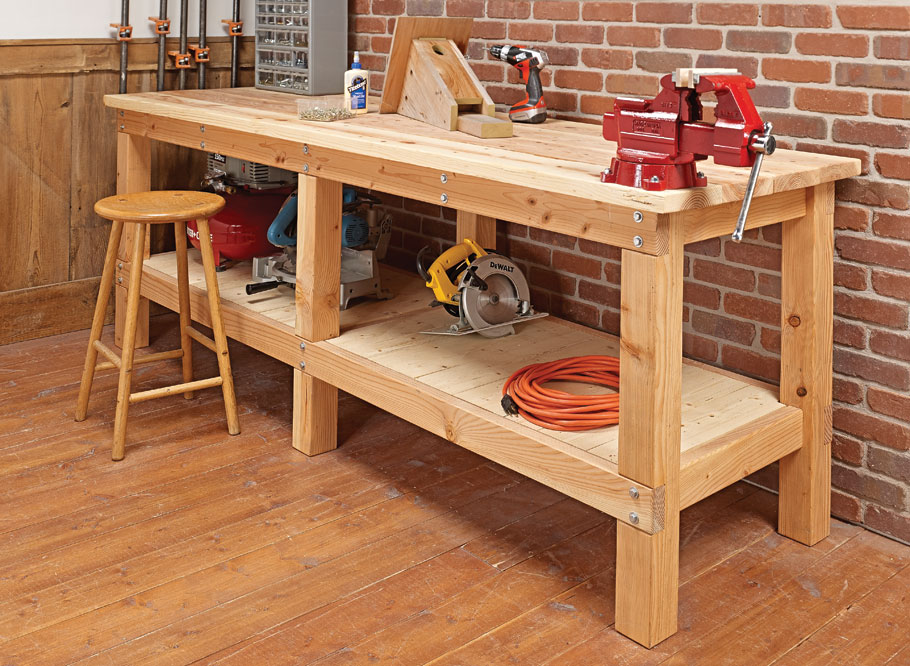
    Heavy-duty plank workbench www.woodsmithplans.com

    Opening: Conquer Dust with Your Own DIY Workbench!
    Tired of sawdust coating every surface of your workshop? A workbench with integrated dust collection is the ultimate solution! This guide will walk you through building your own 63"+ workbench, complete with a powerful dust extraction system. Get ready to breathe easier and work cleaner.
    Step 1: Planning and Materials
    Before you start cutting wood, careful planning is crucial. Consider the size of your workspace, the types of projects you'll be working on, and your budget.
  • Draw a detailed sketch of your workbench, including dimensions. Aim for a workbench that is approximately 63 inches or longer, providing ample workspace.
  • Decide on the materials you'll use. Options include plywood, MDF, solid wood (like pine or maple), or a combination. Solid wood is more durable but also more expensive.
  • Create a comprehensive materials list including lumber, fasteners (screws, bolts), dust collection fittings (hose, couplings, blast gates), a dust collector (shop vac or larger dust collector), and any finishing materials (paint, varnish).
  • Factor in the cost of tools if you need to purchase or rent any.
  • Step 2: Building the Workbench Frame
    The frame provides the structural support for your workbench.
  • Cut the lumber according to your dimensions. Ensure accurate cuts for a square and stable frame.
  • Assemble the frame using screws and wood glue for added strength. Reinforce the corners with corner braces for extra stability.
  • Consider adding a shelf or two beneath the workbench for storage. This will also add to the overall stability of the structure.
  • Ensure the frame is perfectly square before moving on to the next step. Use a framing square to verify.
  • Step 3: Constructing the Workbench Top
    The workbench top is your primary work surface.
  • Cut the material for the workbench top to the desired size. You can use a single piece or laminate multiple layers together for added thickness and durability.
  • Attach the top to the frame using screws and glue. Ensure the top is flush with the frame.
  • If laminating layers, apply even pressure while the glue dries using clamps.
  • Consider adding a breadboard end to the workbench top for a more finished look and to prevent warping.
  • Step 4: Integrating the Dust Collection System
    This is where the magic happens!
  • Plan the location of your dust collection port(s) on the workbench top. Consider where you typically generate dust while working.
  • Cut holes in the workbench top for the dust collection ports. Use a hole saw of the appropriate size.
  • Install dust collection fittings (couplings, blast gates) to the underside of the workbench top, connecting them to the holes you created.
  • Run dust collection hose from the fittings to your dust collector (shop vac or larger dust collector). Secure the hose with clamps or zip ties.
  • Consider adding a downdraft table insert for sanding operations.
  • Step 5: Adding Features and Finishing Touches
    Customize your workbench to suit your needs.
  • Install a vise for clamping workpieces.
  • Add a dog hole pattern to the workbench top for use with bench dogs.
  • Install power outlets on the workbench for easy access to electricity.
  • Apply a finish to the workbench to protect it from moisture and wear. Options include paint, varnish, or polyurethane.
  • Consider adding wheels to the workbench for easy mobility.
  • Conclusion: Enjoy Your Cleaner Workshop!
    Congratulations! You've built your own workbench with integrated dust collection. Now you can enjoy a cleaner, healthier, and more productive workshop. Experiment with different dust collection configurations and features to optimize your workbench for your specific needs. Happy woodworking!

    Heavy-duty Plank Workbench

    Heavy-duty plank workbench www.woodsmithplans.com

    Simple Workbench Plans

    Simple workbench plans www.pinterest.com

    14 Super-simple Workbenches You Can Build — The Family Handyman

    14 super-simple workbenches you can build — the family handyman www.familyhandyman.com