Selasa, 30 September 2025

74+ Hanging Plant Holder With Shelf

Hanging plant shelf artfulroost.com

Opening: A Touch of Green, Elevated Adding greenery to your home doesn't have to mean floor-bound pots. This DIY hanging plant holder with a shelf provides a stylish and space-saving way to showcase your favorite plants. Plus, the shelf adds functionality, allowing you to display smaller decorative items alongside your foliage. Let's get started!
Materials You'll Need:
  • 1 Wooden board (size determined by desired shelf dimensions – e.g., 12" x 18")
  • Rope (approximately 20-30 feet, depending on desired hanging length)
  • Drill with appropriately sized drill bit (slightly larger than your rope diameter)
  • Sandpaper (medium grit)
  • Wood stain or paint (optional)
  • Measuring tape or ruler
  • Pencil
  • Scissors or knife (for cutting rope)
  • Lighter (to seal rope ends)
Step 1: Preparing the Wooden Board First, sand the wooden board to remove any rough edges and splinters. This will ensure a smooth surface for your plants and any decorative items. If you choose, apply wood stain or paint to the board to achieve your desired color. Let it dry completely according to the product instructions.
Step 2: Drilling the Rope Holes Measure and mark the locations for your rope holes. You'll need four holes – one in each corner of the board. Ensure the holes are positioned consistently from the edges for a balanced hang. Using your drill, carefully drill the holes at your marked locations.
Step 3: Cutting and Preparing the Rope Cut the rope into four equal lengths. The length of each piece will determine how low your plant holder hangs. Remember to add extra length for knotting. Seal the ends of the rope with a lighter to prevent fraying.
Step 4: Threading the Rope Thread one piece of rope through each of the drilled holes. Start from the bottom of the board and pull the rope upwards. You should now have four ropes extending from the top of the board.
Step 5: Creating the Knots Gather the four rope ends together above the board. Decide how far down you want the shelf to hang. Tie a large knot with all four rope ends at the determined height. This knot will support the shelf. Double check the levelness of the shelf before fully tightening the knot.
Step 6: Hanging and Enjoying Create a loop at the top of the ropes above the knot for hanging. You can create a simple loop knot or use a metal ring for added durability. Hang your new plant holder from a hook or beam, and enjoy your elevated greenery and decorative display!
Conclusion: Elevate Your Space Congratulations on creating your own hanging plant holder with a shelf! This project is a simple and stylish way to add a touch of nature and personality to any room. Feel free to customize the dimensions, colors, and rope style to match your unique aesthetic. Happy planting!

Hanging Plant Pots-hanging Plant Holder Hanging Plant Shelf In 2024

Hanging plant pots-hanging plant holder hanging plant shelf in 2024 www.pinterest.com

Hanging Plant Shelf

Hanging plant shelf artfulroost.com

Hanging Plant Shelf

Hanging plant shelf www.pinterest.com

Minggu, 28 September 2025

94+ Wooden Storage Cube Bench

Cube storage wooden bench by novamobili www.archiproducts.com

```html
Introduction: Building Your Own Wooden Storage Cube Bench This guide will walk you through the process of constructing a stylish and functional wooden storage cube bench. This project is perfect for adding extra seating and storage to entryways, living rooms, or bedrooms. It requires basic woodworking skills and tools. Let's get started!
Materials and Tools Needed:
  • Wood planks (pine, plywood, or your preferred wood) – Determine the quantity and dimensions based on your desired bench size. A common size for each cube is 16" x 16" x 16". Multiply accordingly for the number of cubes you want. You'll need enough for the sides, top, bottom, and dividers.
  • Wood screws (1 1/4" and 2" recommended)
  • Wood glue
  • Sandpaper (various grits, e.g., 80, 120, 220)
  • Wood filler (optional, for filling nail holes)
  • Primer and paint or stain and sealant (your choice of finish)
  • Measuring tape
  • Pencil
  • Saw (circular saw, miter saw, or hand saw)
  • Drill with drill bits
  • Screwdriver
  • Clamps
  • Safety glasses
  • Hearing protection
Step 1: Planning and Cutting the Wood Carefully measure and plan the dimensions of your storage cube bench. Decide how many cubes you want and the overall length and width of the bench. Based on your plan, cut the wood planks to the required sizes. Be precise with your cuts to ensure a neat and sturdy finished product. For each cube, you'll need: 2 side pieces, 1 top piece, 1 bottom piece, and potentially divider pieces (depending on your design).
Step 2: Assembling the Cubes Apply wood glue to the edges of the side pieces where they will connect to the bottom piece. Clamp the pieces together and secure them with wood screws. Repeat this process for the top piece. Ensure the corners are square during assembly. Let the glue dry completely before proceeding. If you have divider pieces, install them now using the same glue and screw method.
Step 3: Sanding and Filling Once the glue is dry, sand all surfaces of the cubes, starting with a coarser grit sandpaper (e.g., 80) and progressing to finer grits (e.g., 120, 220) for a smooth finish. If you have any nail holes or imperfections, fill them with wood filler. Let the wood filler dry completely and then sand it smooth.
Step 4: Assembling the Bench (Optional, if more than one cube) If you're building a bench with multiple cubes, now is the time to join them together. Apply wood glue to the touching sides of the cubes and clamp them together. Secure them with wood screws from the inside of the cubes. Let the glue dry completely.
Step 5: Finishing Apply a coat of primer to the entire bench. Let the primer dry completely. Then, apply your chosen paint or stain. If you're using paint, apply multiple coats for even coverage. If you're using stain, follow the manufacturer's instructions for application and wiping. After the paint or stain is dry, apply a sealant to protect the wood and provide a durable finish.
Step 6: Final Touches Once the finish is dry, inspect the bench for any imperfections and make any necessary touch-ups. You can add decorative elements like cushions or pillows to enhance the comfort and appearance of your new storage cube bench.
Conclusion: Enjoy Your DIY Wooden Storage Cube Bench! Congratulations! You have successfully built your own wooden storage cube bench. This versatile piece of furniture will provide valuable storage space and comfortable seating for years to come. Enjoy the satisfaction of creating something unique and functional for your home.
```

Cube Storage Wooden Bench By Novamobili

Cube storage wooden bench by novamobili www.archiproducts.com

Cube Storage Bench

Cube storage bench www.pinterest.com

Storage Cube Bench

Storage cube bench freewoodworkingplan.com

Sabtu, 27 September 2025

124+ Workbench With Built-In Lockable Drawers

25+ bästa workbench drawers idéerna på pinterest www.pinterest.se

Introduction: A Workbench Tailored to Your Needs Building your own workbench offers the freedom to create a workspace perfectly suited to your projects and available space. This guide will walk you through constructing a sturdy workbench with lockable drawers, providing both a solid work surface and secure storage for your tools. Get ready to roll up your sleeves and build something awesome!
Planning and Materials: Setting the Foundation for Success Before you start cutting wood, careful planning is crucial. Determine the desired dimensions of your workbench – consider the size of your workspace and the types of projects you'll be tackling. Once you have your dimensions, create a detailed cut list. This will help you estimate the amount of lumber you need and minimize waste.
  • Material List:
    • Lumber (2x4s for the frame, plywood or butcher block for the tabletop, plywood for the drawer boxes and fronts)
    • Screws (various sizes for joining the frame and attaching the tabletop)
    • Wood glue
    • Drawer slides (rated for the expected weight of your tools)
    • Drawer pulls or knobs
    • Locking mechanism for the drawers (keyed lock or latch)
    • Hinges (for the drawer fronts, if using a swing-down design instead of slides)
    • Wood stain or paint (optional, for finishing)
    • Polyurethane or other sealant (for protecting the wood)
  • Tools Required:
    • Safety Glasses
    • Measuring Tape
    • Pencil
    • Circular Saw or Table Saw
    • Drill/Driver
    • Screwdriver
    • Clamps
    • Sandpaper
    • Router (optional, for rounding edges)
    • Woodworking Square
  • Step 1: Building the Workbench Frame The frame is the backbone of your workbench, so make sure it's strong and square. Cut the 2x4s according to your cut list. Assemble the frame by joining the pieces with screws and wood glue. Use clamps to hold the frame together while the glue dries. Ensure all corners are square using a woodworking square. This step involves creating the legs, aprons (the pieces connecting the legs), and any internal supports needed for the drawers. Consider adding a bottom shelf for additional storage.
    Step 2: Creating the Workbench Top The workbench top provides your working surface. Cut the plywood or butcher block to the desired size. If using plywood, you may want to glue two layers together for added thickness and stability. Attach the top to the frame using screws and wood glue. Make sure the top is flush with the frame and securely fastened. If you want rounded edges, use a router to soften the edges before finishing.
    Step 3: Constructing the Drawers Cut the plywood pieces for the drawer boxes according to your dimensions. Assemble the drawer boxes using screws and wood glue. Attach the drawer slides to the drawer boxes and the corresponding locations on the workbench frame. Ensure the slides are aligned properly so the drawers slide smoothly. Pay attention to the weight rating of the drawer slides.
    Step 4: Installing Drawer Fronts and Locking Mechanism Cut the plywood for the drawer fronts. Attach the drawer fronts to the drawer boxes. You can use screws and wood glue, or for a cleaner look, attach them from the inside. Install the drawer pulls or knobs. Now, install your chosen locking mechanism. This could involve keyed locks, latches, or other security hardware. Be sure to follow the manufacturer's instructions for installation. Test the locking mechanism to ensure it functions correctly.
    Step 5: Finishing and Final Touches Sand the entire workbench to remove any rough edges or splinters. Apply wood stain or paint to achieve your desired look. After the stain or paint is dry, apply a polyurethane or other sealant to protect the wood from moisture and wear. Let the sealant dry completely before using the workbench. Double-check all screws and connections to ensure everything is secure.
    Conclusion: A Customized Workspace Ready for Action Congratulations! You've successfully built your own workbench with lockable drawers. You now have a sturdy and functional workspace that's customized to your needs, complete with secure storage for your valuable tools. Enjoy your new workbench and the projects you'll create on it!

    Workbench Drawers

    Workbench drawers buildingitall.wordpress.com

    Workbench Drawers

    Workbench drawers woodgears.ca

    25+ Bästa Workbench Drawers Idéerna På Pinterest

    25+ bästa workbench drawers idéerna på pinterest www.pinterest.se

    Jumat, 26 September 2025

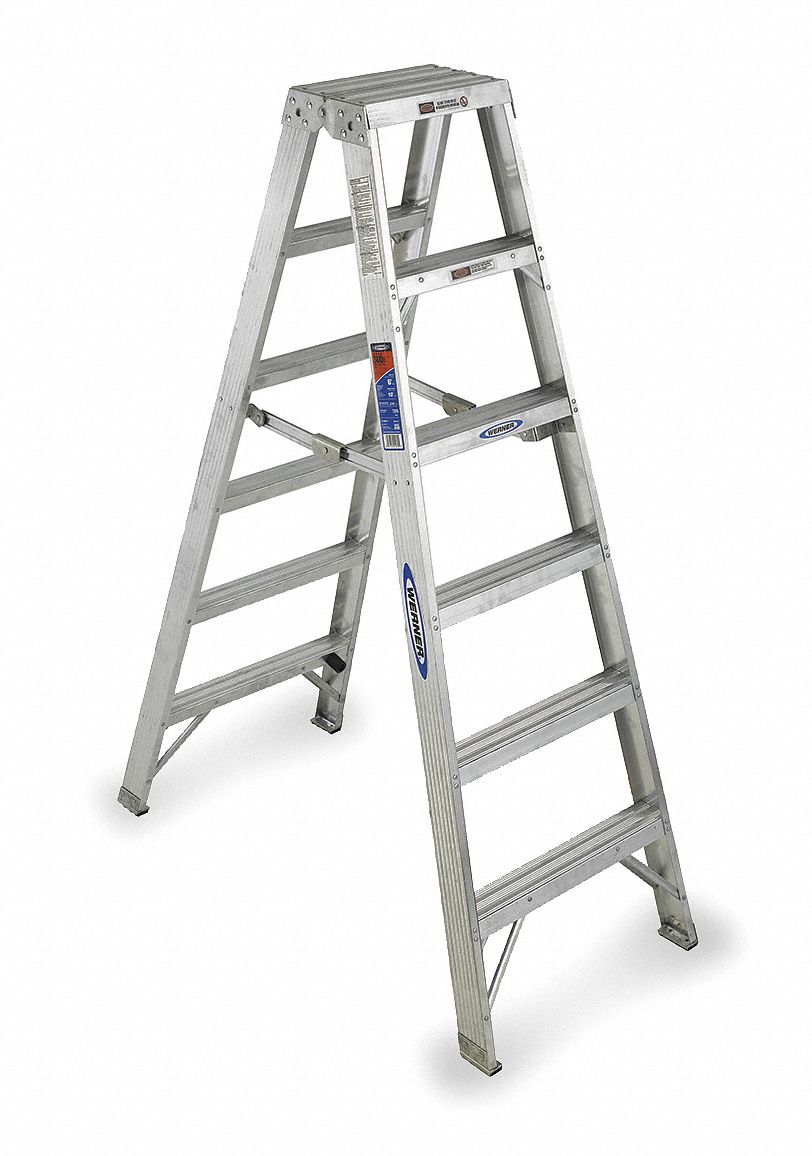
    154+ Ladder Shelf With Hooks And Baskets

    Ladders industrialladder.com

    ```html
    Introduction: Building Your Own Ladder Shelf with Hooks and Baskets Are you looking for a stylish and functional storage solution? A ladder shelf with hooks and baskets offers a unique blend of rustic charm and practical organization. This DIY project is perfect for adding personality to your living room, bedroom, bathroom, or even your entryway. This guide will walk you through the process of building your own ladder shelf from scratch.
    Materials and Tools: Before we begin, gather all the necessary materials and tools. This will ensure a smooth and efficient building process.
  • Lumber:
  • Two 6-foot long 2x4s (for the side rails)
  • Four 2-foot long 1x6s (for the shelves)
  • One 2-foot long 1x4 (for the top support)
  • Optional: Extra 1x6 lumber for backing or decoration
  • Hooks: Choose hooks based on your desired style and weight capacity.
  • Baskets: Select baskets that fit the width of your shelves and suit your aesthetic.
  • Fasteners:
  • Wood screws (various lengths, e.g., 1 1/4", 2 1/2")
  • Wood glue
  • Tools:
  • Saw (circular saw or hand saw)
  • Drill/Driver
  • Sander
  • Measuring tape
  • Pencil
  • Clamps
  • Safety glasses
  • Ear protection
  • Level
  • Optional: Pocket hole jig
  • Step 1: Preparing the Lumber Begin by preparing your lumber. This involves cutting the wood to the correct lengths and sanding the surfaces for a smooth finish.
  • Cutting: Using your saw, cut the lumber according to the dimensions listed in the "Materials and Tools" section. Ensure your cuts are straight and accurate.
  • Sanding: Sand all the pieces of wood with medium-grit sandpaper (e.g., 120-grit) to remove any rough edges or splinters. Then, switch to fine-grit sandpaper (e.g., 220-grit) for a smooth finish.
  • Optional: If you plan to stain or paint your ladder shelf, now is the time to do so. Apply your chosen finish according to the manufacturer's instructions. Allow the finish to dry completely before proceeding.
  • Step 2: Assembling the Ladder Frame The next step is to assemble the ladder frame. This involves attaching the shelves to the side rails.
  • Angle Calculation: Decide on the desired angle for your ladder shelf. A common angle is around 75 degrees. The steeper the angle, the less depth your shelves will have.
  • Shelf Placement: Mark the desired locations for the shelves on the side rails. Ensure that the shelves are evenly spaced and level. Start with the bottom shelf.
  • Attaching Shelves: Apply wood glue to the edges of the shelves that will be in contact with the side rails. Clamp the shelves in place, ensuring they are square and aligned with your markings. Secure the shelves to the side rails using wood screws. Pre-drilling pilot holes can help prevent the wood from splitting. If you have a pocket hole jig, this is a great time to use it for a cleaner, more professional look.
  • Adding Top Support: Attach the 1x4 top support piece to the top of the side rails, ensuring it is flush with the edges. This will add stability to the ladder shelf. Use wood glue and screws to secure it in place.
  • Step 3: Adding Hooks and Baskets Now that the ladder frame is complete, it's time to add the hooks and baskets.
  • Hook Placement: Determine where you want to place the hooks on the shelves. Consider the size and weight of the items you plan to hang on the hooks.
  • Attaching Hooks: Pre-drill pilot holes at the chosen locations and attach the hooks using screws. Ensure the hooks are securely fastened.
  • Basket Placement: Place the baskets on the shelves. Ensure they fit securely and are evenly distributed. You may want to consider securing the baskets to the shelves using small brackets or zip ties for added stability, especially if you plan to store heavy items in them.
  • Step 4: Finishing Touches and Safety Give your ladder shelf a final inspection and make any necessary adjustments.
  • Sanding (if needed): Lightly sand any rough spots or imperfections.
  • Securing the Ladder Shelf: For safety, especially if you have children or pets, consider securing the ladder shelf to the wall using L-brackets and wall anchors. This will prevent the shelf from tipping over.
  • Final Inspection: Ensure all screws are tightened, the hooks are secure, and the baskets are stable.
  • Conclusion: Enjoy Your New Ladder Shelf Congratulations! You have successfully built your own ladder shelf with hooks and baskets. This stylish and functional storage solution will add charm and organization to any room in your home. Enjoy the fruits of your labor and personalize it further with your favorite decorations and belongings.
    ```

    Werner 4 Ft. Fiberglass Platform Step Ladder 300 Lb. Load Capacity Type Ia Duty Rating-p6204

    Werner 4 ft. fiberglass platform step ladder 300 lb. load capacity type ia duty rating-p6204 www.homedepot.com

    Ladders

    Ladders industrialladder.com

    Werner Escalera De Tijera Doble Aluminio Capacidad De 300 Lb. 6 Pies Escalones: 5

    Werner escalera de tijera doble aluminio capacidad de 300 lb. 6 pies escalones: 5 www.grainger.com.mx

    Kamis, 25 September 2025

    45+ Woodworking Plans For Gifts

    Woodworking wallpapers wallpaperaccess.com

    Opening: Creating a Simple Wooden Box
    This guide will walk you through the process of building a basic wooden box. This project is perfect for beginners and can be customized with different types of wood, finishes, and embellishments. It's a great introduction to woodworking and provides a useful container for storage or gifting.
    Materials and Tools Needed
    Before you begin, gather the following materials and tools:
    • Wood (Pine, Poplar, or your choice about 1/2" to 3/4" thick)
    • Wood glue
    • Clamps
    • Measuring tape
    • Pencil
    • Saw (Hand saw, Circular saw, or Miter saw)
    • Sandpaper (various grits, e.g., 120, 220)
    • Drill (optional, for pilot holes)
    • Screws or nails (optional, for added strength)
    • Finishing supplies (stain, varnish, or paint)
    Step 1: Design and Measurements
    First, determine the desired dimensions of your box. Consider the purpose of the box and what you plan to store inside. A simple box might be 6" wide, 8" long, and 4" high. Write down the dimensions for the base, sides, front, and back pieces. Remember to account for the thickness of the wood when calculating the dimensions of the side pieces. For example, if your wood is 1/2" thick, the base piece needs to be the overall final size, then both sides will need to subtract the two widths of the side pieces.
    Step 2: Cutting the Wood
    Carefully measure and cut the wood pieces according to your dimensions. Accuracy is crucial for a well-fitting box. Use a square to ensure your cuts are perfectly straight. If using a power saw, exercise caution and wear appropriate safety gear. Double check the length, width, and height with a measuring tape.
    Step 3: Sanding the Pieces
    Smooth all surfaces and edges of the wood pieces with sandpaper. Start with a coarser grit (e.g., 120) to remove any rough spots and then move to a finer grit (e.g., 220) for a smooth finish. This step is important for both aesthetics and safety, preventing splinters.
    Step 4: Assembling the Box
    Apply wood glue to the edges of the base piece where the side pieces will attach. Position the side pieces on the base, ensuring they are flush and square. Clamp the pieces together firmly. If desired, pre-drill pilot holes and use screws or nails for added strength. Repeat this process for the front and back pieces. Ensure that all pieces are aligned correctly before the glue dries. Wipe away any excess glue with a damp cloth.
    Step 5: Clamping and Drying
    Clamp the assembled box securely on all sides. This will ensure a tight bond as the glue dries. Allow the glue to dry completely according to the manufacturer's instructions (usually at least 24 hours).
    Step 6: Finishing Touches
    Once the glue is dry, remove the clamps. Sand any rough edges or imperfections. You can now apply your chosen finish. This could be stain to enhance the wood grain, varnish for protection, or paint for a more colorful look. Apply the finish according to the manufacturer's instructions. Multiple coats may be required for optimal results. Allow each coat to dry completely before applying the next.
    Conclusion: Your Finished Wooden Box
    Congratulations! You have successfully built a simple wooden box. This box can be used for a variety of purposes, from storing small items to creating a decorative piece. With practice and experimentation, you can refine your woodworking skills and create more complex and intricate projects. Remember safety first and happy crafting!

    Woodworking Wallpapers

    Woodworking wallpapers wallpaperaccess.com

    24 Must-have Woodworking Tools For Your Workshop

    24 must-have woodworking tools for your workshop www.grainger.com

    Woodworking

    Woodworking 4hab.com

    Rabu, 24 September 2025

    78+ Wooden Storage Chest With Drawers And Locks

    Wooden spoon ar.inspiredpencil.com

    Opening: The Ultimate DIY Wooden Storage Chest with Drawers and Locks Tired of clutter and disorganization? Want a secure and stylish way to store your valuables? Look no further! This step-by-step guide will walk you through building your very own wooden storage chest, complete with functional drawers and secure locks. Get ready to unleash your inner craftsman and create a piece that's both beautiful and practical.
    Materials and Tools Needed: Before you begin, gather the necessary materials and tools. This ensures a smooth and efficient building process. Here's what you'll need:
  • Lumber: Choose your desired wood type (pine, oak, cedar, etc.) in appropriate thicknesses for the chest, drawers, and frame. Consider the overall dimensions of the chest you want to build.
  • Plywood or similar sheet material: For the bottom of the chest and drawer bottoms.
  • Drawer slides: Choose the length and weight capacity appropriate for your drawers.
  • Locks: Purchase keyed locks or combination locks depending on your security preferences.
  • Wood glue
  • Screws/nails
  • Wood filler
  • Sandpaper (various grits)
  • Wood stain or paint (optional)
  • Polyurethane or varnish (optional)
  • Measuring tape
  • Pencil
  • Saw (circular saw, jigsaw, or hand saw)
  • Drill with drill bits
  • Screwdriver
  • Clamps
  • Square
  • Router (optional, for decorative edges)
  • Safety glasses
  • Dust mask
  • Step 1: Planning and Design Start by sketching out your chest design. Determine the overall dimensions, the number of drawers, and the placement of the locks. Accurate measurements are crucial for a successful build. Consider factors such as the intended contents of the chest and the available space in your home. Create a cut list to help organize your lumber.
    Step 2: Cutting the Wood Using your cut list and the appropriate saw, carefully cut all the pieces of wood to the required sizes. Ensure the cuts are straight and accurate. Double-check all measurements before cutting to minimize errors. Label each piece clearly to avoid confusion during assembly.
    Step 3: Assembling the Chest Frame Begin assembling the main frame of the chest. Use wood glue and screws or nails to join the side, front, back, and bottom pieces together. Clamp the pieces securely while the glue dries. Ensure the frame is square and level. This is the foundation of your chest, so accuracy is key.
    Step 4: Building the Drawers Construct the drawers using the same techniques as the chest frame. Measure the inside dimensions of the chest to determine the appropriate drawer sizes. Ensure the drawers will slide smoothly within the chest. Assemble the drawer boxes, using wood glue and screws or nails. Attach the drawer bottoms using plywood or similar material.
    Step 5: Installing Drawer Slides Attach the drawer slides to the inside of the chest frame and to the sides of the drawers. Follow the manufacturer's instructions for proper installation. Ensure the slides are aligned correctly for smooth drawer operation. Test the drawers to ensure they slide in and out easily.
    Step 6: Installing the Locks Install the locks according to the manufacturer's instructions. This typically involves drilling holes for the lock cylinder and latch. Ensure the locks are securely mounted and function properly. Test the locks multiple times to confirm their security.
    Step 7: Sanding and Finishing Sand all surfaces of the chest and drawers to a smooth finish. Start with a coarser grit sandpaper and gradually move to finer grits. Fill any holes or imperfections with wood filler. Once the wood filler is dry, sand it smooth. Apply stain or paint to the chest and drawers if desired. Allow the stain or paint to dry completely. Apply a coat of polyurethane or varnish to protect the wood and enhance its appearance.
    Step 8: Final Assembly and Adjustments Place the drawers into the chest. Check for any alignment issues and make any necessary adjustments to the drawer slides or locks. Ensure the drawers open and close smoothly, and the locks function correctly. Add any decorative hardware, such as handles or knobs, to the drawers.
    Conclusion: Your Secure and Stylish Storage Solution Congratulations! You've successfully built your own wooden storage chest with drawers and locks. This custom-made piece will provide secure and stylish storage for your valuables for years to come. Enjoy the satisfaction of knowing you created something beautiful and functional with your own hands.

    Wooden Spoon

    Wooden spoon ar.inspiredpencil.com

    Benefits Of Wooden Wall Cladding: Elevate Your Space With Timeless Charm

    Benefits of wooden wall cladding: elevate your space with timeless charm beautexwood.com

    29 Stunning Wooden Door Designs For Main Entrances

    29 stunning wooden door designs for main entrances www.pinterest.com

    Selasa, 23 September 2025

    152+ Workbench With Built-In Mobile Base

    Craftsman workbench with drawers offer jackbenchwoodworking.blogspot.com

    Opening: The Ultimate DIY Workbench with Mobile Base Ready to upgrade your workspace? Building a robust workbench with a built-in mobile base is a fantastic project for any DIY enthusiast. This guide will walk you through each step, ensuring you create a functional and movable workspace that will serve you for years to come. Get ready to measure, cut, and assemble your way to a better workshop!
    Step 1: Planning and Gathering Materials Before you start cutting wood, it's crucial to plan your workbench. Consider the size you need, the materials you prefer (plywood and 2x4s are common and cost-effective), and any additional features you might want.
    • Determine the desired dimensions (length, width, height) of your workbench.
    • Create a sketch or detailed plan with measurements.
    • Make a comprehensive list of all necessary materials: lumber (2x4s, plywood), casters, screws, wood glue, safety glasses, and any desired hardware (bench dogs, vises, etc.).
    • Acquire the needed tools: Saw (circular or miter saw), drill, measuring tape, square, level, safety glasses, clamps, and a screwdriver (or drill with screwdriver bits).
    Step 2: Building the Workbench Frame The frame is the foundation of your workbench. Accuracy and solid construction are essential.
    • Cut the 2x4 lumber according to your planned dimensions for the workbench legs and frame.
    • Assemble the rectangular frame using wood glue and screws. Ensure all corners are square. Use clamps to hold the frame securely while the glue dries.
    • Attach the legs to the inside corners of the frame, using glue and screws for a sturdy connection.
    • Consider adding horizontal supports (stretchers) between the legs for increased stability and to create a shelf at a lower level.
    Step 3: Adding the Workbench Top The workbench top needs to be sturdy and flat. Plywood is a popular choice for its affordability and ease of use.
    • Cut the plywood to the desired size for your workbench top.
    • Apply wood glue to the top of the frame.
    • Carefully position the plywood top onto the frame, ensuring it is flush with the edges.
    • Secure the top to the frame using screws, spacing them evenly across the surface.
    • Consider adding a second layer of plywood for increased thickness and durability.
    Step 4: Constructing the Mobile Base Turning your workbench into a mobile unit involves adding casters to the legs.
    • Reinforce the legs of the workbench to support the weight when the casters are installed. You can do this by adding extra pieces of 2x4 lumber to the inside of the legs, around where the casters will be attached.
    • Select heavy-duty casters with a locking mechanism. Determine the mounting method (plate mount or stem mount) and choose casters accordingly.
    • Attach the casters to the reinforced legs using screws or bolts, depending on the caster type. Ensure they are securely fastened and properly aligned.
    • Test the mobility and locking mechanism of the casters to ensure they function correctly.
    Step 5: Finishing Touches and Optional Features This is where you can personalize your workbench to meet your specific needs.
    • Sand the entire workbench to remove any rough edges or splinters.
    • Apply a finish to the workbench to protect the wood and improve its appearance. Polyurethane, varnish, or oil-based finishes are popular choices.
    • Consider adding features like a vise, dog holes for bench dogs, drawers, shelves, or power outlets to further enhance the functionality of your workbench.
    • Clean up your workspace and admire your new mobile workbench!
    Conclusion: Your Versatile DIY Workbench Congratulations! You've successfully built a sturdy and mobile workbench. This project not only enhances your workshop but also provides you with a valuable skill and a sense of accomplishment. Enjoy your new and improved workspace!

    Homak Garage Series 5 Ft. Industrial Steel Workbench With Cabinet Storage-gs00659031

    Homak garage series 5 ft. industrial steel workbench with cabinet storage-gs00659031 www.homedepot.com

    Craftsman Workbench With Drawers Offer

    Craftsman workbench with drawers offer jackbenchwoodworking.blogspot.com

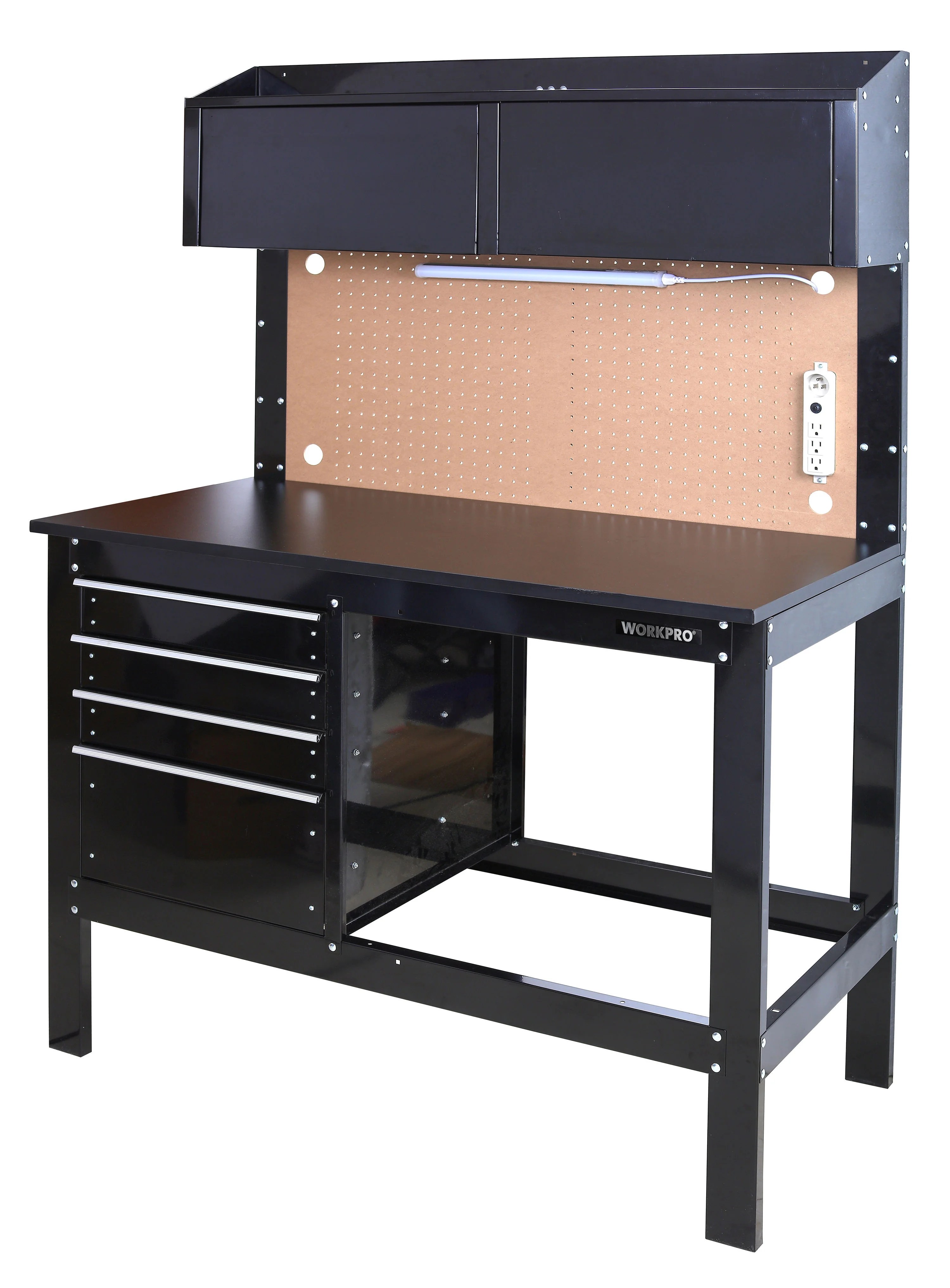
    Workpro 2-in-1 48in Workbench And Cabinet Combo With Work Light

    Workpro 2-in-1 48in workbench and cabinet combo with work light www.walmart.com

    Minggu, 21 September 2025

    118+ Woodworking Plans For Outdoor Furniture

    Woodworking plans outdoor furniture woodworkingplans-pdf.blogspot.com

    ```html
    Opening: Building Your Own Outdoor Bench
    Ready to enjoy the beautiful weather in your own backyard? Building a DIY outdoor bench is a fantastic way to add seating and style to your outdoor space. This guide provides step-by-step instructions to help you create a sturdy and attractive bench you can be proud of. Before starting, always prioritize safety and wear appropriate safety gear like safety glasses and gloves.
    Step 1: Gathering Materials and Tools
    Before you begin, make sure you have all the necessary materials and tools on hand. This will streamline the building process and prevent frustrating interruptions.
  • Lumber: Choose weather-resistant wood like cedar, redwood, or treated pine. The amount will depend on the bench size. For a typical 4-foot bench, you'll likely need:
  • Two 4x4 posts for the legs (around 18 inches long each).
  • Two 2x4s for the frame (4 feet long each for the front and back, and about 14 inches long each for the sides).
  • Several 1x4s or 1x6s for the seat slats (4 feet long each). The number depends on the desired spacing between the slats).
  • Hardware:
  • Wood screws (exterior grade, various lengths).
  • Wood glue (exterior grade).
  • Sandpaper (various grits).
  • Tools:
  • Saw (circular saw or hand saw).
  • Drill with drill bits and screwdriver bits.
  • Measuring tape.
  • Pencil.
  • Clamps.
  • Safety glasses.
  • Gloves.
  • Speed square or combination square.
  • Step 2: Cutting the Lumber
    Cut all your lumber according to the dimensions you've chosen. Precision is key for a stable and well-fitting bench. Use a saw to cut:
  • The 4x4 legs to the desired height.
  • The 2x4 frame pieces to the correct lengths (front, back, and sides).
  • The 1x4 or 1x6 seat slats to the correct length.
  • Double-check your measurements before cutting to avoid mistakes.
    Step 3: Assembling the Frame
    Now, assemble the frame of the bench using the 2x4s.
  • Apply wood glue to the ends of the side pieces (the shorter 2x4s).
  • Attach the side pieces to the front and back pieces, forming a rectangular frame.
  • Use clamps to hold the frame together securely.
  • Drill pilot holes through the frame and into the side pieces.
  • Insert wood screws to fasten the frame together. Make sure the screws are long enough to provide a strong connection.
  • Use a speed square to ensure the frame is square before the glue dries.
    Step 4: Attaching the Legs
    Attach the 4x4 legs to the inside corners of the frame.
  • Apply wood glue to the top of each leg.
  • Position the legs inside the frame corners, making sure they are flush with the top of the frame.
  • Use clamps to hold the legs in place.
  • Drill pilot holes through the frame and into the legs.
  • Insert wood screws to secure the legs to the frame. Use multiple screws per leg for added stability.
  • Ensure that all the legs are properly aligned to provide a level seating surface.
    Step 5: Installing the Seat Slats
    Attach the 1x4 or 1x6 seat slats to the top of the frame.
  • Decide on the desired spacing between the slats. You can use spacers to ensure consistent gaps.
  • Position the first slat at one end of the frame.
  • Drill pilot holes through the slat and into the frame.
  • Insert wood screws to secure the slat.
  • Repeat this process for the remaining slats, maintaining the desired spacing.
  • Countersinking the screws slightly below the surface of the slats will create a smoother seating surface.
    Step 6: Sanding and Finishing
    After the bench is assembled, sand all surfaces to remove any sharp edges and splinters.
  • Start with a coarser grit sandpaper (e.g., 80-grit) to smooth out any rough spots.
  • Gradually move to finer grits (e.g., 120-grit, then 220-grit) for a smooth finish.
  • Wipe away any sawdust with a clean cloth.
  • Apply a weather-resistant finish, such as paint, stain, or sealant, to protect the wood from the elements. Follow the manufacturer's instructions for application. Consider applying multiple coats for added protection.
    Conclusion: Enjoy Your New Bench
    Congratulations! You've successfully built your own outdoor bench. Place it in your garden, on your patio, or anywhere you want to enjoy comfortable outdoor seating. Regular maintenance, such as cleaning and reapplying the finish, will help to prolong the life of your bench. Enjoy the fruits of your labor!
    ```

    Outdoor Furniture Plans

    Outdoor furniture plans woodworkingplansman.com

    Woodworking Plans Outdoor Furniture

    Woodworking plans outdoor furniture woodworkingplans-pdf.blogspot.com

    Outdoor Furniture Projects Bundle

    Outdoor furniture projects bundle woodworkingplansmadeeasy.com

    Sabtu, 20 September 2025

    77+ Woodworking Plans

    Understanding woodworking plans and drawings mikeswoodworkingprojects.com

    Introduction: Building a Simple Wooden Birdhouse
    This guide will walk you through constructing a basic, yet charming, wooden birdhouse. It's a great project for beginners and can be completed with minimal tools and materials. We'll focus on a design suitable for smaller birds like wrens or chickadees. Let's get started!
    Step 1: Gathering Your Materials
    Before you begin, you'll need the following:
  • Untreated wood: Pine or cedar are good choices. Cedar is more weather-resistant. You'll need a piece roughly 12 inches wide and several feet long.
  • Saw: A hand saw, jigsaw, or circular saw will work.
  • Drill: With drill bits for making pilot holes and a larger bit for the entrance hole.
  • Measuring tape or ruler
  • Pencil
  • Wood glue
  • Nails or screws
  • Sandpaper (optional)
  • Exterior wood finish or paint (optional)
  • Step 2: Cutting the Wood Pieces
    Cut the wood according to the following dimensions. These are suggestions and can be adjusted to your preference. Remember, accuracy is key for a good fit! All measurements are in inches.
  • Front: 6" wide x 8" high
  • Back: 6" wide x 10" high (the extra 2" will create an overhang for the roof)
  • Sides (2 pieces): 6" wide x 7" high, with a 45-degree angle cut along the top to slope towards the front.
  • Bottom: 4" wide x 6" long
  • Roof (2 pieces): 4" wide x 7" long (this gives a slight overhang)
  • Step 3: Assembling the Birdhouse Body
  • Start by attaching the sides to the bottom piece. Apply wood glue to the edges of the bottom piece and then secure the sides with nails or screws. Make sure they are flush and square. Using pilot holes will prevent the wood from splitting.
  • Next, attach the front piece to the sides and bottom using the same glue and nail/screw method. Ensure the front is centered.
  • Now, attach the back piece to the sides and bottom. The extra 2 inches of the back piece should extend above the sides to form an overhang.
  • Step 4: Adding the Roof
  • Apply wood glue to the angled tops of the side pieces and the top edges of the front and back pieces.
  • Position the roof pieces on top, ensuring they overhang slightly on all sides (approximately 1/2 inch). Secure them with nails or screws.
  • Step 5: Drilling the Entrance Hole
  • Use your drill and a large drill bit (1 1/2 to 2 inches in diameter is good for most small birds) to create the entrance hole in the front of the birdhouse. Position the hole about 2 inches down from the top.
  • Step 6: Adding Drainage and Ventilation
  • Drill a few small drainage holes (1/4 inch diameter) in the bottom of the birdhouse. This will prevent water from accumulating inside.
  • Optionally, you can drill a few small ventilation holes (1/4 inch diameter) near the top of the sides to improve airflow.
  • Step 7: Finishing Touches (Optional)
  • Sand down any rough edges or splinters. This is especially important around the entrance hole to prevent injury to the birds.
  • Apply an exterior wood finish or paint to protect the birdhouse from the elements. Be sure to use non-toxic materials that are safe for birds. Let it dry completely before mounting.
  • Step 8: Mounting the Birdhouse
  • Choose a suitable location for your birdhouse. Ideally, it should be sheltered from strong winds and direct sunlight.
  • You can mount the birdhouse on a pole, tree, or fence post. Make sure it's securely attached. Use screws or nails to fasten the birdhouse through the back piece to your chosen mounting surface.
  • Conclusion
    Congratulations! You've built your own wooden birdhouse. With a little luck, some feathered friends will soon be calling it home. Remember to clean out the birdhouse annually after the nesting season is over to keep it a safe and healthy environment for birds. Happy birdwatching!

    Printable Woodworking Plans

    Printable woodworking plans www.pinterest.com

    Premium Woodworking Plans For Diy Projects

    Premium woodworking plans for diy projects trainingcenter.com

    Understanding Woodworking Plans And Drawings

    Understanding woodworking plans and drawings mikeswoodworkingprojects.com

    Jumat, 19 September 2025

    118+ Wall Mounted Display Shelf

    Great wall of china: history and other fascinating facts to know www.travelandleisureasia.com

    ```html
    Opening: Elevate Your Space with a DIY Wall Mounted Display Shelf Looking to add a touch of personality and organization to your home? Building your own wall-mounted display shelf is a fantastic project that's both functional and rewarding. This step-by-step guide will walk you through the process, from gathering materials to proudly showcasing your favorite items. Let's get started!
    Step 1: Gathering Your Materials Before you begin, ensure you have all the necessary tools and materials. This will make the process smoother and more efficient.
  • Wood (Pine, Oak, or your preferred type): Determine the length, width, and thickness based on your desired shelf size.
  • Wood screws (Appropriate length for your wood thickness)
  • Wood glue
  • Sandpaper (Various grits, e.g., 120, 220)
  • Wood stain or paint (Optional, for finishing)
  • Polyurethane or wood sealant (Optional, for finishing)
  • Measuring tape
  • Pencil
  • Saw (Circular saw, hand saw, or miter saw)
  • Drill with drill bits
  • Screwdriver (or drill with screwdriver bits)
  • Clamps
  • Level
  • Safety glasses
  • Dust mask
  • Step 2: Cutting the Wood Carefully measure and cut the wood pieces according to your desired dimensions. Remember to double-check your measurements before cutting! For a simple shelf, you'll need:
  • Shelf piece(s): The main horizontal surface(s) of the shelf.
  • Support pieces (if needed): These will be attached underneath the shelf to provide extra support, especially for longer shelves.
  • Mounting Brackets: If you're using store-bought brackets, measure and cut wood accordingly for the shelf to sit on these.
  • Step 3: Sanding the Wood Once the wood is cut, it's time to smooth out any rough edges and surfaces.
  • Start with a coarser grit sandpaper (e.g., 120) to remove any imperfections.
  • Gradually move to finer grits (e.g., 220) for a smooth finish.
  • Sand with the grain of the wood for best results.
  • Wipe away any dust with a clean cloth after sanding.
  • Step 4: Assembling the Shelf Now it's time to put the pieces together.
  • Apply wood glue to the edges of the support pieces (if using) where they will attach to the underside of the shelf.
  • Clamp the support pieces to the shelf and allow the glue to dry completely according to the glue manufacturer's instructions.
  • Once the glue is dry, reinforce the joints with wood screws. Drill pilot holes first to prevent the wood from splitting.
  • If using store-bought brackets, ensure you are using the right screw size for the wood to prevent it from splitting and attach the brackets on the side of the shelves.
  • Step 5: Finishing (Optional) If you want to add a personal touch, you can stain or paint the shelf.
  • Apply wood stain or paint evenly according to the manufacturer's instructions.
  • Allow the stain or paint to dry completely.
  • Apply a coat of polyurethane or wood sealant to protect the shelf and give it a more durable finish.
  • Let the sealant dry completely.
  • Step 6: Mounting the Shelf Now for the final step: mounting the shelf to the wall.
  • Use a level to mark the desired location for the shelf on the wall.
  • Locate the wall studs using a stud finder.
  • Drill pilot holes into the wall studs.
  • Attach the shelf to the wall using wood screws. If you did not find a stud, use drywall anchors.
  • Make sure the shelf is level before fully tightening the screws.
  • Conclusion: Enjoy Your Handmade Display Shelf! Congratulations! You've successfully built your own wall-mounted display shelf. Now you can proudly showcase your favorite books, plants, photos, or any other items you desire. Enjoy the satisfaction of creating something beautiful and functional with your own hands.
    ```

    Background Of Brick Wall Texture Or Brick Wall Pattern For Interior Exterior Decoration And

    Background of brick wall texture or brick wall pattern for interior exterior decoration and www.vecteezy.com

    Great Wall Of China: History And Other Fascinating Facts To Know

    Great wall of china: history and other fascinating facts to know www.travelandleisureasia.com

    File:concrete Wall.jpg

    File:concrete wall.jpg commons.wikimedia.org

    Kamis, 18 September 2025

    126+ Woodworking Plans For Garden

    Woodworking wallpapers wallpaperaccess.com

    Opening: Building Your Own Garden Planter Ready to add some personality and functionality to your garden? Building your own wooden planter is a satisfying project that allows you to customize the size, style, and material to perfectly match your needs. This step-by-step guide will walk you through the process of constructing a simple yet sturdy planter box, perfect for herbs, flowers, or vegetables. Get ready to unleash your inner carpenter!
    Step 1: Gathering Your Materials and Tools Before you begin, you'll need to gather the necessary materials and tools. This will ensure a smooth and efficient building process. Here's what you'll need:
  • Untreated lumber (cedar or redwood are excellent choices for outdoor use due to their natural resistance to rot and insects). The amount will depend on the size of your desired planter. For example, for a planter 24" long x 12" wide x 12" high, you'll likely need: two 24" pieces, two 12" pieces and several boards that are roughly 12" x 1.5" for the bottom
  • Wood screws (exterior grade, to withstand the elements)
  • Wood glue (exterior grade)
  • Measuring tape
  • Pencil
  • Saw (circular saw or hand saw)
  • Drill with drill bits and screwdriver bits
  • Clamps
  • Safety glasses
  • Work gloves
  • Sandpaper (medium grit)
  • Landscape fabric (optional, to line the planter)
  • Stain or sealant (optional, for added protection and aesthetics)
  • Step 2: Cutting the Lumber Carefully measure and cut the lumber according to your desired dimensions. Double-check your measurements before cutting to avoid errors. Remember to cut the pieces for the sides, bottom, and any decorative elements you may want to add.
    Step 3: Assembling the Planter Box Now it's time to assemble the planter box. Apply wood glue to the edges of the boards that will be joined together. Use clamps to hold the boards in place while you drive the wood screws through the sides and into the ends of the adjacent boards, creating a secure and sturdy corner. Repeat this process for all four corners.
    Step 4: Attaching the Bottom Cut pieces to create a bottom for your planter. Ensure these pieces are the appropriate length to fit inside the assembled box. Apply wood glue to the edges where the bottom pieces will sit. Secure them with wood screws, spacing them evenly. The bottom doesn't have to be solid. Leaving gaps will help with drainage.
    Step 5: Sanding and Finishing Once the planter box is assembled, use sandpaper to smooth any rough edges and surfaces. This will improve the appearance and prevent splinters. Wipe away any sawdust with a damp cloth.
    Step 6: Optional Adding Liner, Stain and Finishing If you choose to line your planter with landscape fabric, cut the fabric to size, leaving extra to fold over the edges. Secure the fabric to the inside of the planter using staples or tacks. Now, if you desire, apply stain or sealant to the wood according to the manufacturer's instructions. This will protect the wood from the elements and enhance its appearance. Allow the stain or sealant to dry completely before adding soil and plants.
    Conclusion: Enjoy Your Handmade Planter Congratulations! You've successfully built your own garden planter. Now, fill it with your favorite soil and plants, and enjoy the beauty and functionality it brings to your garden or patio. With a little care and maintenance, your handmade planter will provide years of enjoyment. Remember to choose plants that are appropriate for the size and location of your planter. Happy gardening!

    Woodworking Wallpapers

    Woodworking wallpapers wallpaperaccess.com

    Woodworking 101

    Woodworking 101 millhollowworks.org

    The Real Cost Of Woodworking: Is This Rewarding Hobby Worth The Investment?

    The real cost of woodworking: is this rewarding hobby worth the investment? octopusdoors.com.au

    Rabu, 17 September 2025

    193+ Wooden Entryway Shelf With Hooks And Drawers

    Diverse wooden surface. the walls of the houses are made of wood. boards for background and www.vecteezy.com

    ```html
    Opening: A Warm Welcome Home Creating a welcoming entryway is key to making a good first impression, both for yourself and your guests. A DIY wooden entryway shelf with hooks and drawers provides both aesthetic appeal and much-needed functionality. This project allows you to customize the size, style, and finish to perfectly complement your home's decor while providing a place to store keys, mail, hats, and other essentials.
    Step 1: Planning and Design Before you start building, careful planning is essential. Consider the available space in your entryway and the desired dimensions of your shelf. Sketch out a design, including the number of hooks, the size of the drawers, and the overall layout. Think about the type of wood you want to use (pine, oak, or reclaimed wood are popular choices) and the finish you want to achieve. Create a cut list based on your design to determine how much lumber you will need.
    Step 2: Gathering Materials and Tools
  • Wood boards (based on your cut list)
  • Wood screws or nails
  • Wood glue
  • Drawer slides
  • Drawer knobs or pulls
  • Hooks
  • Sandpaper (various grits)
  • Wood stain or paint
  • Polyurethane or varnish (for topcoat)
  • Measuring tape
  • Pencil
  • Saw (circular saw, miter saw, or hand saw)
  • Drill with drill bits
  • Screwdriver
  • Clamps
  • Sander (optional)
  • Safety glasses
  • Dust mask
  • Step 3: Cutting the Wood Carefully measure and cut all the wood pieces according to your cut list. Double-check your measurements before cutting to ensure accuracy. Use a saw that is appropriate for the type of wood you are using. Always wear safety glasses and a dust mask during this step.
    Step 4: Assembling the Shelf Frame Begin by assembling the main frame of the shelf. Use wood glue and screws (or nails) to join the side pieces, top piece, and bottom piece. Clamp the pieces together while the glue dries to ensure a strong bond. Make sure the frame is square.
    Step 5: Building the Drawers Cut the wood pieces for the drawer boxes (front, back, sides, and bottom). Assemble the drawer boxes using wood glue and screws (or nails). Attach the drawer slides to the drawer boxes and the inside of the shelf frame, following the manufacturer's instructions.
    Step 6: Installing the Back Panel Cut a piece of plywood or thin wood to fit the back of the shelf. Attach the back panel using nails or screws. This will add stability to the shelf.
    Step 7: Sanding and Finishing Sand all the wood surfaces smooth, starting with a coarser grit sandpaper and gradually moving to finer grits. This will prepare the wood for staining or painting. Wipe away any dust with a tack cloth.
    Step 8: Staining or Painting Apply your chosen stain or paint to the shelf and drawers. Follow the manufacturer's instructions for application and drying time. Apply multiple coats if necessary to achieve the desired color and coverage.
    Step 9: Applying Topcoat Once the stain or paint is completely dry, apply a topcoat of polyurethane or varnish. This will protect the wood from scratches and moisture. Follow the manufacturer's instructions for application and drying time.
    Step 10: Attaching Hardware Install the drawer knobs or pulls and the hooks to the shelf. Make sure they are securely attached.
    Step 11: Mounting the Shelf Find the wall studs in your entryway. Use a level to ensure the shelf is straight. Secure the shelf to the wall studs using screws. Use appropriate anchors if you are not able to screw directly into a stud.
    Conclusion: Your Personalized Entryway Awaits Congratulations! You've successfully built a DIY wooden entryway shelf with hooks and drawers. Now you can enjoy a more organized and welcoming entryway. Step back, admire your handiwork, and add personal touches like decorative items or family photos to complete the space. Your new shelf will not only provide storage and organization but also add a touch of warmth and style to your home.
    ```

    1000+ Beautiful Wooden Photos · Pexels · Free Stock Photos

    1000+ beautiful wooden photos · pexels · free stock photos www.pexels.com

    Wooden Spoon

    Wooden spoon fity.club

    Diverse Wooden Surface. The Walls Of The Houses Are Made Of Wood. Boards For Background And

    Diverse wooden surface. the walls of the houses are made of wood. boards for background and www.vecteezy.com

    Selasa, 16 September 2025

    46+ Foldable Outdoor Table With Storage

    Pixel fold first look: google's $1,799 foldable takes on samsung www.cnet.com

    Introduction: Building Your Own Foldable Outdoor Table This guide will walk you through the process of constructing a foldable outdoor table that includes built-in storage. This project is perfect for patios, balconies, or decks where space is limited. The foldable design allows for easy storage when the table isn't in use, and the integrated storage provides a convenient place to keep cushions, gardening tools, or outdoor games.
    Materials and Tools Needed:
  • Lumber (select pressure-treated lumber for outdoor use):
  • 2 x 4s for the frame and legs
  • 1 x 4s for the tabletop slats and storage box
  • Plywood (exterior grade) for the storage box base and sides
  • Screws (exterior grade): Various lengths for different connections
  • Wood glue (exterior grade)
  • Sandpaper (various grits)
  • Paint or stain (exterior grade) and sealant
  • Hinges (heavy-duty, foldable hinges for the legs and tabletop)
  • Latches or closures (for the storage box lid)
  • Measuring tape
  • Pencil
  • Saw (circular saw or hand saw)
  • Drill/Driver
  • Screwdriver
  • Clamps
  • Safety glasses
  • Ear protection
  • Step 1: Planning and Cutting the Lumber Begin by creating a detailed plan of your table, including dimensions for the tabletop, storage box, and legs. This will help you determine the exact amount of lumber you need. Carefully measure and cut all the lumber pieces according to your plan. Remember to account for the thickness of the wood when calculating dimensions. Always double-check your measurements before making any cuts.
    Step 2: Building the Tabletop Assemble the tabletop frame using the 2 x 4s. Apply wood glue to the joints and secure them with screws. Clamp the frame together until the glue dries. Next, attach the 1 x 4 tabletop slats to the frame. Space the slats evenly and secure them with screws. Sand the tabletop surface smooth, paying attention to any rough edges or splinters.
    Step 3: Constructing the Storage Box Build the storage box using the plywood for the base and sides. Cut the plywood pieces to the required dimensions and assemble them using wood glue and screws. Ensure the box is square and sturdy. Attach the storage box to the underside of the tabletop frame, centering it carefully.
    Step 4: Creating the Legs Construct the table legs using the 2 x 4s. Cut the legs to the desired length. Attach the foldable hinges to the top of the legs and to the underside of the tabletop frame. Ensure the legs fold inward for easy storage. Reinforce the leg attachments with additional screws if needed.
    Step 5: Assembling the Lid and Adding Closures Cut a piece of plywood or use additional 1 x 4s to create the lid for the storage box. Attach hinges to the lid and the storage box frame. Install latches or closures to secure the lid when closed. This will prevent the lid from accidentally opening and protect the contents of the storage box.
    Step 6: Sanding, Painting/Staining, and Sealing Sand all the surfaces of the table to prepare them for finishing. Apply a coat of exterior-grade primer, followed by your choice of paint or stain. Allow the paint or stain to dry completely. Apply a sealant to protect the wood from the elements and extend the life of your table.
    Step 7: Final Assembly and Adjustments Inspect all the connections and ensure they are secure. Test the folding mechanism of the legs to ensure they fold and unfold smoothly. Make any necessary adjustments to the hinges or latches. Add any additional hardware or accessories as desired.
    Conclusion: Enjoy Your Foldable Outdoor Table! Congratulations! You've successfully built a foldable outdoor table with storage. This versatile piece of furniture is perfect for small spaces and provides a convenient storage solution for your outdoor essentials. Enjoy relaxing and entertaining on your new creation!

    Pixel Fold First Look: Google's $1,799 Foldable Takes On Samsung

    Pixel fold first look: google's $1,799 foldable takes on samsung www.cnet.com

    Best Foldable Phones Of 2022

    Best foldable phones of 2022 www.samsung.com

    Amazon.com: Protoarc Backlit Foldable Keyboard, Xk01 Plus Folding Portable Bluetooth Keyboard

    Amazon.com: protoarc backlit foldable keyboard, xk01 plus folding portable bluetooth keyboard www.amazon.com