Jumat, 31 Oktober 2025

88+ Woodworking Projects Plans Pdf Free

Premium photo www.freepik.com

Introduction: Building Your Own Simple Birdhouse Are you looking for a fun and rewarding DIY project? Building a birdhouse is a great way to attract feathered friends to your backyard and enjoy the beauty of nature up close. This guide provides a step-by-step process for creating a simple, yet functional, birdhouse using readily available materials.
Materials and Tools You'll Need Before you start, gather the following:
  • Untreated wood (pine or cedar are excellent choices – about 1" thick)
  • Measuring tape or ruler
  • Pencil
  • Saw (hand saw, circular saw, or jigsaw)
  • Drill with various sized drill bits (including a spade bit for the entrance hole)
  • Screws or nails
  • Sandpaper
  • Wood glue (optional, but recommended for added strength)
  • Clamps (optional, but helpful)
  • Safety glasses
  • Step 1: Cutting the Wood Pieces Carefully measure and cut the wood pieces according to the following dimensions (these can be adjusted to your preference, but this provides a good starting point for a small birdhouse):
  • Front: 6" wide x 8" high
  • Back: 6" wide x 10" high (the extra height will create an overhang for the roof)
  • Sides (2 pieces): 6" wide x 6" high, with a slanted top edge sloping from 6" to 8"
  • Bottom: 6" wide x 6" deep
  • Roof (2 pieces): 6" wide x 7" deep
  • Be precise with your cuts to ensure a snug fit. Use a pencil and ruler to mark the cut lines clearly before sawing.
    Step 2: Assembling the Birdhouse Body Begin assembling the body of the birdhouse by attaching the sides to the bottom. Apply wood glue to the edges of the bottom piece where they will meet the sides, then secure the sides to the bottom using screws or nails. Use clamps to hold the pieces together while the glue dries (if using glue). Next, attach the front piece. Again, apply glue and use screws or nails to secure it to the sides and bottom. Finally, attach the back piece, ensuring the extra height extends above the sides.
    Step 3: Creating the Entrance Hole and Ventilation/Drainage Now, drill the entrance hole on the front piece. A 1 1/2" diameter hole is suitable for wrens, chickadees, and titmice. Use a spade bit or hole saw for a clean hole. Position the hole about 2 inches from the top edge of the front piece. Drill a few small ventilation holes near the top of the sides to allow for air circulation. Drill a few small drainage holes in the bottom of the birdhouse to prevent water accumulation.
    Step 4: Attaching the Roof Attach the roof pieces to the top edges of the sides and back of the birdhouse. The roof pieces should overhang slightly on the front and sides. Apply wood glue and secure with screws or nails. Ensure the roof pieces meet flush at the peak.
    Step 5: Sanding and Finishing (Optional) Sand all edges and surfaces of the birdhouse to remove any splinters or rough spots. This will create a more professional finish and prevent injury to the birds. If desired, you can apply a non-toxic sealant or paint to the exterior of the birdhouse to protect it from the elements. Choose a light, natural color to avoid overheating the birdhouse in direct sunlight. Avoid using bright colors or intricate designs, as these can deter birds. *Do not paint the inside of the birdhouse.*
    Step 6: Mounting the Birdhouse Consider how you'll mount the birdhouse. You can attach a mounting bracket to the back of the birdhouse, or simply drill holes through the back piece to screw it directly to a tree or post. Choose a location that is sheltered from the wind and rain, and away from potential predators like cats. A height of 5-10 feet above the ground is generally recommended.
    Conclusion: Enjoy Your New Birdhouse! Congratulations! You've successfully built your own birdhouse. Now, find a suitable location and enjoy watching your new feathered neighbors move in. Remember to clean the birdhouse out annually after the nesting season is over to keep it a healthy and welcoming home for birds. Building a birdhouse is a rewarding experience that connects you with nature and provides a safe haven for birds in your community.

    Premium Photo

    Premium photo www.freepik.com

    Woodworking Furniture, Woodworking Table, Woodworking

    Woodworking furniture, woodworking table, woodworking www.pinterest.com

    People At Woodworking Factory Stock Image

    People at woodworking factory stock image www.dreamstime.com

    Kamis, 30 Oktober 2025

    170+ Ladder Shelf

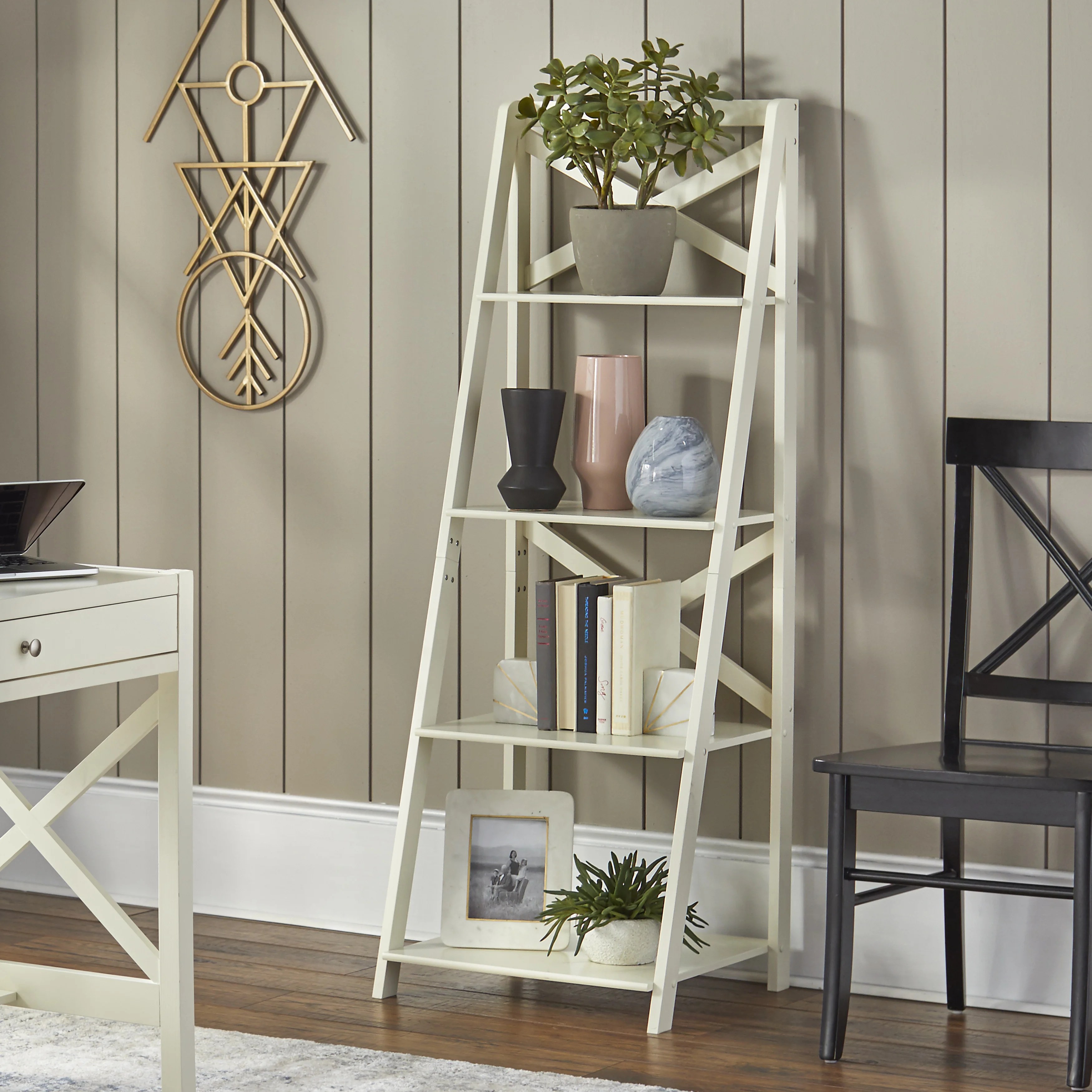
    Tms x 4-tier shelf, ladder bookcase, white www.walmart.com

    Opening: Embrace Vertical Storage with a DIY Ladder Shelf Are you looking for a stylish and functional way to maximize storage space? A DIY ladder shelf is the perfect solution! This versatile piece of furniture adds a touch of rustic charm to any room while providing ample space for books, plants, decor, and more. This guide will walk you through creating your own ladder shelf, step by step.
    Materials You'll Need Before you begin, gather the necessary materials. The quantities will depend on the desired height and width of your shelf, so adjust accordingly:
  • Two (2) 1x2 inch boards for the ladder sides (length depends on desired height)
  • Four (4) 1x12 inch boards for the shelves (length depends on desired width)
  • Wood screws (1 1/4 inch or similar)
  • Wood glue
  • Sandpaper (various grits, e.g., 80, 120, 220)
  • Wood stain or paint (optional)
  • Polyurethane or other sealant (optional)
  • Measuring tape
  • Pencil
  • Safety glasses
  • Ear protection
  • Saw (circular saw, miter saw, or hand saw)
  • Drill with drill bits and countersinking bit
  • Clamps
  • Step 1: Preparing the Wood Start by cutting all the wood pieces to the desired lengths. The ladder sides should be identical in length. The shelves should also be the same width. Sand all surfaces of the wood thoroughly, starting with a coarser grit (80) and working your way to finer grits (120, 220) for a smooth finish. This is a crucial step for achieving a professional look.
    Step 2: Assembling the Ladder Sides The ladder sides need to be angled for the shelf to lean against the wall. You have two ways to acheive that:
  • Cutting at an angle: You can cut the bottom end of each 1x2 board at a slight angle (around 10-15 degrees) to ensure the shelf leans properly.
  • Use a rubber/plastic piece: Glue a rubber or plastic piece at the bottom to ensure it leans and doesn't scratch the wall.
  • Ensure that you have a matching piece for each side of the shelf. If you are opting for cutting the wood, ensure that the angles match, otherwise the shelf might appear unbalanced.
    Step 3: Attaching the Shelves Decide on the spacing between your shelves. Even spacing is typical, but you can customize it to suit your needs. Mark the shelf positions on the inside of both ladder side pieces using a measuring tape and pencil. Apply wood glue to the edges of the ladder sides where the shelves will be attached. Position a shelf between the ladder sides, ensuring it's aligned with your marked locations. Use clamps to hold the shelf in place while you pre-drill pilot holes through the ladder sides and into the shelf edges. Use a countersinking drill bit to create a recess for the screw heads. This will provide a cleaner look. Secure the shelf with wood screws. Repeat this process for all remaining shelves.
    Step 4: Finishing Touches Once the glue has dried and all screws are in place, double-check that the shelf is sturdy and level. Sand any rough edges or imperfections. If desired, apply wood stain or paint to the entire ladder shelf. Follow the manufacturer's instructions for the stain or paint you choose. Allow it to dry completely. Apply a coat of polyurethane or other sealant to protect the wood and enhance its durability. This is particularly important if the shelf will be exposed to moisture. Let it dry completely.
    Step 5: Securing the Shelf (Optional) While the ladder shelf is designed to lean, consider securing it to the wall for added safety, especially if you have children or pets. You can use L-brackets attached to the back of the shelf and the wall, or use anti-tip straps designed for furniture.
    Conclusion: Enjoy Your Handcrafted Ladder Shelf Congratulations! You've successfully built your own ladder shelf. Place it in your desired location and start decorating! This DIY project is a great way to add storage and style to your home, and the satisfaction of building it yourself makes it even more rewarding.

    Next Mode Ladder Shelf

    Next mode ladder shelf www.pinterest.com

    Tms X 4-tier Shelf, Ladder Bookcase, White

    Tms x 4-tier shelf, ladder bookcase, white www.walmart.com

    Ladder Shelf

    Ladder shelf fity.club

    Rabu, 29 Oktober 2025

    150+ Wooden Corner Storage Shelf With Hooks

    Modern wood planter outdoor wood pot indoor planter box large patio planter wood flower pot tall www.artofit.org

    Opening: Adding Corner Storage with Style Tired of cluttered corners? A DIY wooden corner storage shelf with hooks is the perfect solution! This project not only adds valuable storage space but also enhances your room's aesthetic with its rustic charm. This guide will walk you through each step, ensuring a successful and satisfying build.
    Materials You'll Need: Before you begin, gather the necessary materials. This will streamline the building process and prevent frustrating interruptions.
  • Wood planks (pine, fir, or your preferred type) thickness and dimensions depend on the size of shelf you desire. A good starting point is 1x6 inch lumber.
  • Wood screws (various sizes depending on wood thickness)
  • Wood glue
  • Sandpaper (various grits, e.g., 80, 120, 220)
  • Wood stain or paint (your choice of color)
  • Polyurethane or varnish (for sealing)
  • Hooks (number and style of your choice)
  • Measuring tape
  • Pencil
  • Saw (circular saw, hand saw, or miter saw)
  • Drill with drill bits (for pilot holes and screw driving)
  • Clamps
  • Safety glasses and dust mask
  • Step 1: Planning and Cutting the Wood Carefully plan the dimensions of your corner shelf. Consider the height, width, and depth you want. A simple design involves triangular shelves supported by vertical supports that fit snugly into the corner. Measure and mark the wood according to your plan. Use your saw to accurately cut the wood pieces to the required sizes. Double-check all measurements before cutting.
    Step 2: Sanding the Wood Sanding is crucial for a smooth finish. Start with a coarser grit sandpaper (e.g., 80 grit) to remove any rough edges or imperfections. Gradually move to finer grits (e.g., 120, then 220) to achieve a smooth, even surface. Sand all sides and edges of each wood piece. Remember to wear a dust mask during sanding.
    Step 3: Assembling the Shelves Apply wood glue to the edges where the shelves will attach to the vertical supports. Position the shelves carefully, ensuring they are square and properly aligned. Use clamps to hold the pieces together while the glue dries. Once the glue is partially dry (about 30 minutes), drill pilot holes through the shelves into the vertical supports. This prevents the wood from splitting when you insert the screws. Then, insert wood screws to secure the shelves to the supports.
    Step 4: Applying Wood Filler (Optional) If you have any gaps or imperfections, use wood filler to fill them in. Allow the wood filler to dry completely according to the manufacturer's instructions. Sand the filled areas smooth to blend with the surrounding wood.
    Step 5: Staining or Painting Choose your desired stain or paint color. Apply the stain or paint evenly using a brush or cloth. Follow the manufacturer's instructions regarding drying time and number of coats. If staining, wipe off excess stain after a few minutes to achieve your desired shade. Let it dry completely.
    Step 6: Sealing the Wood Apply a coat of polyurethane or varnish to protect the wood and enhance its durability. This will also make the shelf easier to clean. Allow the sealant to dry completely, following the manufacturer's instructions. You may want to apply multiple coats for extra protection, sanding lightly between coats.
    Step 7: Attaching the Hooks Decide where you want to place the hooks on the shelf. Mark the positions with a pencil. Use a drill to create pilot holes for the screws that come with the hooks. Then, screw the hooks into place. Make sure they are securely attached.
    Step 8: Mounting the Shelf Position the shelf in the corner where you want to install it. Use a level to ensure the shelf is straight. Mark the locations for the mounting screws on the wall. Drill pilot holes into the wall at the marked locations. If you are drilling into drywall, use drywall anchors for added support. Screw the shelf into the wall using appropriate screws.
    Conclusion: Enjoy Your New Corner Storage Congratulations! You have successfully built a DIY wooden corner storage shelf with hooks. Now you can enjoy your newly organized corner and admire your handiwork. This project is a fantastic way to add storage and style to any room in your home. You can customize the design and finish to perfectly match your decor.

    Diverse Wooden Surface. The Walls Of The Houses Are Made Of Wood. Boards For Background And

    Diverse wooden surface. the walls of the houses are made of wood. boards for background and www.vecteezy.com

    Free Photo: Wood Background

    Free photo: wood background jooinn.com

    Modern Wood Planter Outdoor Wood Pot Indoor Planter Box Large Patio Planter Wood Flower Pot Tall

    Modern wood planter outdoor wood pot indoor planter box large patio planter wood flower pot tall www.artofit.org

    Selasa, 28 Oktober 2025

    55+ Simple Wooden Stool

    Three easy ways to use squash this fall www.sprouts.com

    Introduction: The Versatile Wooden Stool Making your own wooden stool is a satisfying and relatively simple woodworking project. This guide will walk you through the process step-by-step, allowing you to create a functional and attractive piece of furniture for your home. This design focuses on simplicity and stability, perfect for beginners.
    Materials and Tools You'll Need
  • Wood (pine, poplar, or your preferred hardwood): Four legs (1.5" x 1.5" x 18"), two short stretchers (1" x 3" x 12"), and two long stretchers (1" x 3" x 16"), and a seat (12" x 12" x 1.5"). Dimensions are approximate, adjust to your liking.
  • Wood glue
  • Screws (1 1/4" wood screws)
  • Wood filler (optional)
  • Sandpaper (80, 120, and 220 grit)
  • Wood stain or paint (optional)
  • Polyurethane or varnish (optional)
  • Measuring tape
  • Pencil
  • Saw (hand saw, circular saw, or miter saw)
  • Drill with drill bits (including a countersinking bit)
  • Clamps
  • Safety glasses
  • Dust mask
  • Step 1: Preparing the Wood First, cut all of your wood pieces to the specified dimensions. Accuracy is crucial for a stable stool, so take your time. Sand each piece thoroughly, starting with 80 grit to remove any rough edges, then moving to 120 grit, and finishing with 220 grit for a smooth surface. This will make finishing much easier later.
    Step 2: Assembling the Stretcher Frame The stretchers are the pieces that connect the legs and provide stability. Apply wood glue to the ends of the short stretchers. Attach them to two of the legs, ensuring they are flush and square. Clamp them in place. Then drill pilot holes through the stretchers into the legs (predrilling will prevent the wood from splitting). Use the countersinking bit so the screw heads are flush or slightly recessed. Drive the screws in. Repeat this process with the long stretchers and the remaining two legs. Now, connect the two leg/stretcher assemblies by gluing and screwing the remaining stretchers to the legs, forming a complete rectangular frame. Ensure the frame is square and clamped securely while the glue dries.
    Step 3: Attaching the Legs to the Frame Once the glue on the frame is dry, carefully measure and mark the desired leg angle on the inside of the legs. A slight splay to the legs (angled outwards) will enhance the stool's stability. A 5-degree angle is typical. You can create a simple jig to help you maintain a consistent angle while attaching the legs. Apply glue to the top edges of the stretcher frame. Position the frame on the inside of the legs, ensuring the angle is correct and that the legs are evenly spaced. Clamp everything in place. Drill pilot holes through the stretchers into the inside of the legs. Countersink the holes and drive in the screws. Ensure the stool sits evenly on a flat surface. If any adjustments are needed, now is the time to make them.
    Step 4: Attaching the Seat Center the seat on top of the assembled frame. You want equal overhang all around. From underneath, drill pilot holes through the stretchers into the seat (again, countersink the holes). Apply a bead of wood glue to the top edges of the stretchers where they will contact the seat. Drive screws up through the stretchers into the seat to secure it.
    Step 5: Finishing Inspect the stool for any gaps or imperfections. If necessary, use wood filler to fill any screw holes or blemishes. Let the filler dry completely, then sand it smooth. Sand the entire stool again with 220 grit sandpaper. Wipe away any sawdust with a tack cloth. Now you're ready to apply your chosen finish. You can stain the wood to your desired color, paint it, or leave it natural. After the stain or paint is dry, apply several coats of polyurethane or varnish to protect the wood and give it a durable finish, sanding lightly between coats. Let the finish dry completely before using the stool.
    Conclusion: Enjoy Your Handcrafted Stool You've now successfully built your own simple wooden stool! This project is a great introduction to woodworking and provides a functional and stylish addition to your home. With a little practice, you can modify the design and create stools of different sizes and styles. Enjoy the satisfaction of using something you made yourself!

    Roasted Vegetable Soup

    Roasted vegetable soup ilovecooking.ie

    Pumpkin And Lentil Soup

    Pumpkin and lentil soup www.streetsmartkitchen.com

    Three Easy Ways To Use Squash This Fall

    Three easy ways to use squash this fall www.sprouts.com

    Senin, 27 Oktober 2025

    85+ Kids Bookshelf With Doors

    Child and youth plan yoursay.bmcc.nsw.gov.au

    ```html
    Introduction: Building a DIY Kids Bookshelf with Doors A kids bookshelf with doors is a fantastic way to organize toys, books, and other belongings while keeping the room tidy. This step-by-step guide will walk you through building a sturdy and attractive bookshelf with doors that's perfect for a child's room. We will prioritize safety, durability, and ease of construction.
    Materials and Tools Needed:
    • Lumber: Plywood (¾ inch thick is recommended) for the bookshelf carcass and doors. Consider poplar or pine for trim. Determine dimensions based on your available space. A common size might be 36 inches wide, 48 inches tall, and 12 inches deep. Adjust accordingly.
    • Hardware: Wood screws (various lengths), hinges (for the doors), magnetic catches (to keep the doors closed), knobs or pulls (for the doors), wood glue, sandpaper (various grits), primer, paint or stain, and polyurethane (optional, for sealing).
    • Tools: Saw (circular saw, table saw, or hand saw), drill, screwdriver, measuring tape, pencil, square, clamps, sander (optional), paintbrushes or rollers.
    Step 1: Planning and Cutting the Wood First, plan your bookshelf's dimensions and layout. This includes the overall height, width, depth, and number of shelves. Create a detailed cutting list based on your plans. Then, carefully cut all the plywood pieces according to your measurements. Accuracy is key to a well-built bookshelf. These pieces will typically include:
    • Two side panels
    • Top panel
    • Bottom panel
    • Shelves (number depends on your design)
    • Door panels (two if building a double-door bookshelf)
    • Back panel (optional, but recommended for stability)
    Step 2: Assembling the Bookshelf Carcass Apply wood glue to the edges where the side panels connect to the top, bottom, and shelves. Use clamps to hold the pieces together while the glue dries. Reinforce the joints with wood screws. Predrill pilot holes to prevent the wood from splitting. Ensure everything is square during assembly using a square. If including a back panel, attach it using glue and screws after the glue on the main carcass has dried. A back panel will add significant rigidity to the structure.
    Step 3: Building and Installing the Doors Cut the plywood pieces for the doors according to your planned dimensions. Consider adding a decorative trim around the edges of the doors using poplar or pine. Assemble the trim using glue and finishing nails. Sand the door surfaces smooth. Install the hinges on the inside of the bookshelf frame and on the doors. Carefully align the doors and attach them securely to the hinges. Install magnetic catches inside the bookshelf frame to hold the doors closed. Predrill for all screws.
    Step 4: Sanding, Priming, and Painting Sand all surfaces of the bookshelf and doors smooth, starting with a coarser grit sandpaper and moving to finer grits. Wipe away any dust. Apply a coat of primer to all surfaces. Let the primer dry completely. Then, paint or stain the bookshelf and doors with your desired color or finish. Apply multiple thin coats for a more even and durable finish. Allow each coat to dry thoroughly before applying the next. A polyurethane topcoat can be added for extra protection.
    Step 5: Installing Hardware and Final Touches Install the knobs or pulls on the doors. Double-check that the doors open and close smoothly and that the magnetic catches are functioning properly. Make any necessary adjustments. Inspect the entire bookshelf for any imperfections and touch up the paint or finish as needed. Consider adding felt pads to the bottom of the bookshelf to protect your floors.
    Conclusion: Enjoy Your New DIY Bookshelf Congratulations! You have successfully built a DIY kids bookshelf with doors. This bookshelf will provide a stylish and practical storage solution for your child's room for years to come. Remember to supervise children around the bookshelf, especially when they are opening and closing the doors. Enjoy your new creation!
    ```

    Life Lessons All Kids Should Know

    Life lessons all kids should know www.huffingtonpost.com

    Child And Youth Plan

    Child and youth plan yoursay.bmcc.nsw.gov.au

    Act For Kids

    Act for kids www.actforkids.com.au

    Minggu, 26 Oktober 2025

    92+ Woodworking Plans For A Coat Rack

    Coat rack plans • woodarchivist woodarchivist.com

    Here's a step-by-step guide on how to build a DIY coat rack:
    Introduction: Building Your Own Coat Rack
    A coat rack is a practical and stylish addition to any home, providing a convenient place to hang coats, hats, and bags. Building your own allows you to customize the design to match your décor and create a piece that perfectly fits your needs. This guide will walk you through the process of crafting a simple yet functional wooden coat rack.
    Materials and Tools Needed
    Before you start, gather the necessary materials and tools:
    • Lumber: Choose the type and amount of wood based on your desired coat rack size and design. Pine, oak, or reclaimed wood are popular choices. Consider a main post (e.g., 4x4), a base, and wood for the hooks or arms.
    • Coat Hooks: Select hooks that complement your design. You can find various styles and finishes at hardware stores.
    • Wood Screws: Use appropriate length screws for assembling the frame and attaching the hooks.
    • Wood Glue: For stronger and more durable joints.
    • Sandpaper: Various grits (e.g., 80, 120, 220) for smoothing the wood.
    • Wood Stain or Paint (Optional): To finish the coat rack with your desired color.
    • Polyurethane or Varnish (Optional): For a protective topcoat.
    • Measuring Tape
    • Pencil
    • Saw (Circular saw, miter saw, or hand saw)
    • Drill with drill bits
    • Screwdriver or drill with screwdriver bits
    • Clamps
    • Safety Glasses
    • Dust Mask
    Step 1: Design and Planning
    Start by sketching out your coat rack design. Determine the desired height, width, and style. Consider the number of hooks you want to include and how they will be arranged. Plan the dimensions of the base to ensure stability. This step is crucial for a successful build.
    Step 2: Cutting the Wood
    Using your measurements, cut the lumber according to your design. Cut the main post to the desired height. Prepare the wood for the base. If you're using multiple pieces for the base, cut them to the appropriate sizes and angles. Use a saw that is appropriate for your material.
    Step 3: Assembling the Base
    Assemble the base of the coat rack. If your design uses multiple pieces, join them together using wood glue and screws. Use clamps to hold the pieces in place while the glue dries. Ensure the base is sturdy and level. If using a single piece of wood as the base then skip to the next step.
    Step 4: Attaching the Main Post to the Base
    Attach the main post to the center of the base. Apply wood glue to the bottom of the post and position it on the base. Use screws to secure the post to the base. Ensure the post is straight and stable. Use a level to confirm its vertical alignment. Reinforce the joint with additional screws if necessary.
    Step 5: Preparing and Attaching the Hooks or Arms
    Prepare the wood for the hooks or arms. Cut them to the desired length and shape. Sand them smooth. Decide on the spacing and placement of the hooks or arms on the main post. Predrill pilot holes for the screws to prevent the wood from splitting. Attach the hooks or arms to the main post using wood glue and screws. Ensure they are securely fastened. Consider staggering the hooks for visual appeal and functionality.
    Step 6: Sanding and Finishing
    Sand the entire coat rack to smooth out any rough edges or imperfections. Start with a coarser grit sandpaper (e.g., 80 or 120) and gradually move to finer grits (e.g., 220). Wipe away any sanding dust with a clean cloth. Apply wood stain or paint to the coat rack, if desired. Follow the manufacturer's instructions for application and drying time. Once the stain or paint is dry, apply a protective topcoat of polyurethane or varnish for added durability.
    Step 7: Installing the Hooks
    If you haven't already, now is the time to attach the actual metal hooks. Predrill pilot holes if necessary. Fasten the hooks securely with screws. Make sure all hooks are at the same angle for a professional and uniform look.
    Conclusion: Enjoy Your Handcrafted Coat Rack
    Congratulations, you've successfully built your own coat rack! Place it in your entryway, mudroom, or any other convenient location. Enjoy the functionality and style of your handcrafted piece. This project allows for a high level of personalization, so feel free to adapt the design and techniques to create a coat rack that is uniquely yours.

    Coat Rack Plans • Woodarchivist

    Coat rack plans • woodarchivist woodarchivist.com

    Coat Rack Plans • Woodarchivist

    Coat rack plans • woodarchivist woodarchivist.com

    Coat Rack Plans • Woodarchivist

    Coat rack plans • woodarchivist woodarchivist.com

    Sabtu, 25 Oktober 2025

    184+ Woodworking Dining Table Plans Pdf Free Download

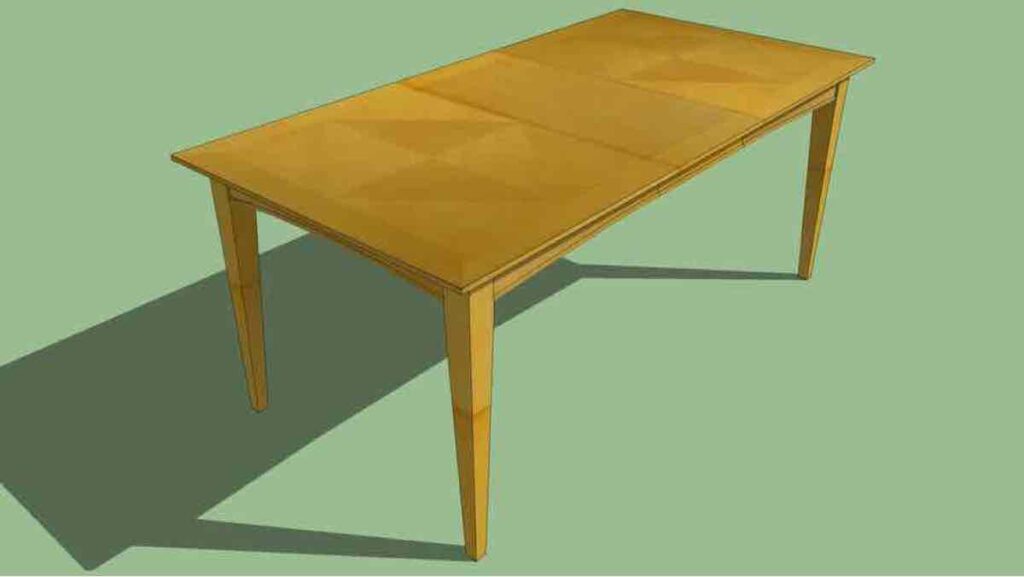
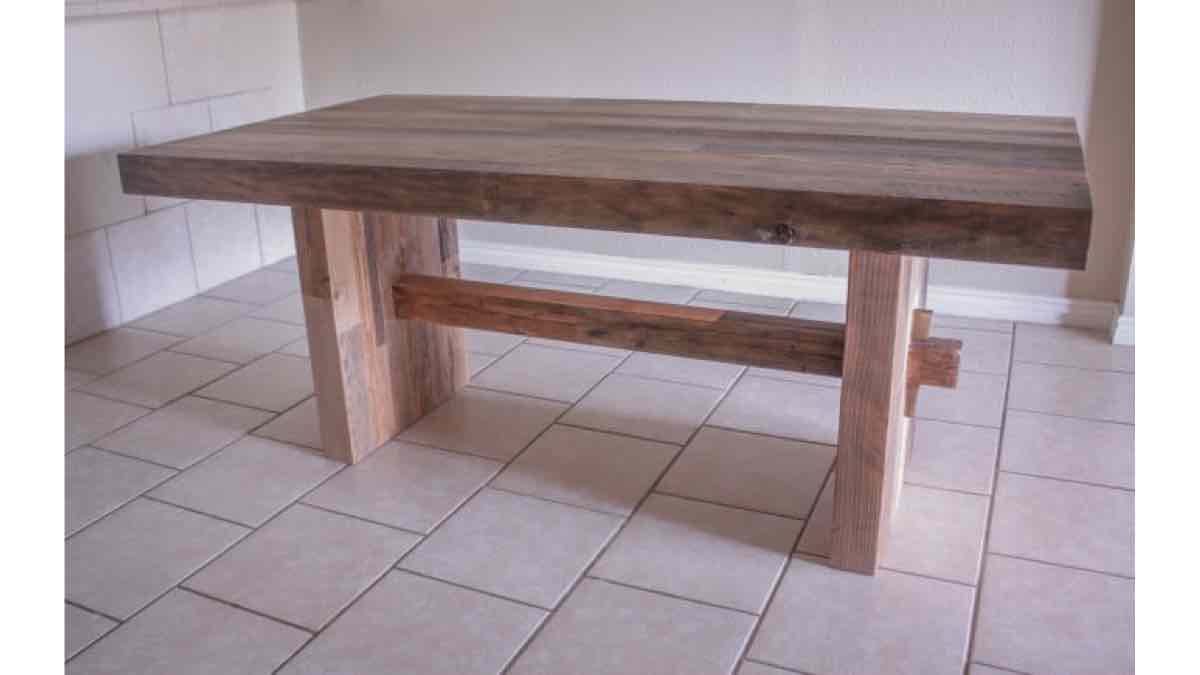
    Dining table pdf freewoodworkingplan.com

    ```html
    Introduction: Building Your Own Dining Table Creating a dining table from scratch is a rewarding woodworking project. Not only do you get a custom piece of furniture perfectly suited to your space and style, but you also gain valuable woodworking skills. This guide will walk you through the process of building a sturdy and attractive dining table.
    Materials and Tools Needed Before you begin, gather the necessary materials and tools. The specifics will vary based on your chosen design and size, but here's a general list:
  • Wood (dimensional lumber or hardwoods) for the tabletop
  • Wood for the table legs
  • Wood for the table apron (the frame connecting the legs to the tabletop)
  • Wood glue
  • Screws or bolts
  • Sandpaper (various grits)
  • Wood stain or paint (optional)
  • Wood finish (polyurethane, varnish, or oil)
  • Measuring tape
  • Pencil
  • Saw (circular saw, table saw, or hand saw)
  • Drill with drill bits
  • Screwdriver
  • Clamps
  • Sander (optional)
  • Safety glasses
  • Dust mask
  • Step 1: Design and Planning The first step is to determine the size and style of your dining table. Consider the number of people you want to seat and the dimensions of your dining space. Draw a detailed plan with accurate measurements for all components, including the tabletop, legs, and apron. This plan will serve as your guide throughout the building process.
    Step 2: Preparing the Tabletop
  • Joining the Boards: If using multiple boards for the tabletop, join them edge-to-edge using wood glue and clamps. Ensure the edges are perfectly straight and aligned for a seamless look. Let the glue dry completely according to the manufacturer's instructions.
  • Flattening and Smoothing: Once the glue is dry, use a hand plane or a sander to flatten and smooth the tabletop surface. Start with a coarser grit sandpaper (e.g., 80-grit) and gradually move to finer grits (e.g., 120-grit, 220-grit) for a smooth finish.
  • Cutting to Size: Cut the tabletop to the desired dimensions using a saw. Ensure the edges are straight and square.
  • Step 3: Building the Apron The apron is the frame that supports the tabletop and connects the legs.
  • Cutting the Apron Pieces: Cut the apron pieces to the correct length and width according to your plan.
  • Attaching the Apron: Attach the apron pieces to the underside of the tabletop using wood glue and screws or bolts. Ensure the apron is flush with the edges of the tabletop and that the corners are square. Use clamps to hold the apron in place while the glue dries.
  • Step 4: Creating and Attaching the Legs
  • Making the Legs: You can purchase pre-made table legs or create your own. If making your own, cut the legs to the desired length and shape.
  • Attaching the Legs: Attach the legs to the apron using wood glue and screws or bolts. Ensure the legs are securely fastened and that the table is stable. Consider using corner brackets for added support.
  • Step 5: Sanding and Finishing
  • Sanding: Sand the entire table, including the tabletop, apron, and legs, to a smooth finish. Start with a coarser grit sandpaper and gradually move to finer grits.
  • Staining or Painting (Optional): If desired, apply wood stain or paint to the table. Follow the manufacturer's instructions for application and drying time.
  • Applying Finish: Apply a wood finish, such as polyurethane, varnish, or oil, to protect the table and enhance its appearance. Apply multiple coats, allowing each coat to dry completely before applying the next. Lightly sand between coats for a smoother finish.
  • Conclusion: Enjoy Your Handcrafted Dining Table Congratulations! You've successfully built your own dining table. This handcrafted piece will be a beautiful and functional addition to your home for years to come. Remember to regularly maintain the finish to protect the wood and keep it looking its best.
    ```

    Dining Table Pdf

    Dining table pdf freewoodworkingplan.com

    Dining Table Pdf

    Dining table pdf freewoodworkingplan.com

    Dining Table Pdf

    Dining table pdf freewoodworkingplan.com

    Jumat, 24 Oktober 2025

    170+ 16000 Woodworking Plans Pdf Free Download

    16000 woodworking plans www.facebook.com

    Introduction: Building Your Own Woodworking Plan Library Embarking on woodworking projects often starts with a well-defined plan. Instead of constantly searching online or buying individual plans, creating your own organized "16,000 Woodworking Plans" library, inspired by readily available online offerings, can be a rewarding and cost-effective solution. This guide walks you through the process of building a digital and physical system for accessing and managing your woodworking plans.
    Step 1: Gathering Resources (Online and Offline) The foundation of your library rests on amassing a collection of plans. While replicating a "16,000 plan" archive precisely might be ambitious, a focused collection of your preferred project types is very achievable.
  • Online Resources: Start with websites that offer free woodworking plans, such as Woodsmith Plans, Popular Woodworking, and various woodworking forums and blogs. Use search terms like "free woodworking plans," "DIY woodworking plans," and "furniture plans PDF."
  • Paid Resources: Consider subscribing to woodworking magazines or purchasing plan collections from reputable sources. This can significantly expand your access to higher-quality and more detailed plans.
  • Physical Resources: Scan any existing woodworking books or magazines you own. This converts them into digital formats for easy access within your library.
  • Step 2: Creating a Digital Archive A well-organized digital system is crucial for quick and easy access to your plans.
  • Folder Structure: Create a clear and intuitive folder structure on your computer or cloud storage (Google Drive, Dropbox, etc.). Consider categories like "Furniture," "Outdoor Projects," "Shop Projects," "Small Projects," and then subcategories within each (e.g., Furniture > Tables > Coffee Tables).
  • File Naming Convention: Use a consistent file naming convention. For example, "CoffeeTable_Modern_Woodsmith.pdf" (ProjectType_Style_Source). This makes searching and identifying plans much easier.
  • PDF Management Software: Use a PDF management program like Adobe Acrobat Reader (free), PDFelement, or Foxit PDF Reader. This allows you to view, search, and annotate plans digitally.
  • Metadata Tagging (Optional): If you want advanced organization, explore using metadata tagging tools within your PDF software. This allows you to add keywords, descriptions, and other information to each plan file.
  • Step 3: Building a Physical Index (Optional) While a digital archive is efficient, a physical index can provide a quick overview of your collection and facilitate browsing.
  • Spreadsheet or Database: Create a spreadsheet (Excel, Google Sheets) or a simple database (Access, Airtable) to catalog your plans. Include columns for: Project Type, Project Name, Source, File Path (for digital plans), Location (for physical plans if you print them), Dimensions, Wood Type, and Difficulty Level.
  • Printed Index (Alternative): If you prefer a completely physical system, create a printed index card system. Use index cards and a filing box. Write the same information as mentioned above on each card.
  • Regular Updates: As you add new plans to your collection, remember to update your digital archive and physical index accordingly. This ensures your system remains accurate and useful.
  • Step 4: Printing and Storing Physical Plans (If Desired) Many woodworkers prefer to work with printed plans in the shop.
  • Print Selection: Print only the plans you intend to use in the near future. Printing everything at once can lead to clutter and wasted paper.
  • Printing Options: Consider using a laser printer for sharper lines and more durable prints. If plans include very large diagrams, explore using a local print shop for large-format printing.
  • Storage Solutions: Use file folders, binders, or plan racks to store your printed plans. Label each folder or binder clearly with the project type. For particularly large plans, consider using a plan hanger system or rolling plan storage.
  • Conclusion: A Personalized Woodworking Resource By following these steps, you can create a personalized woodworking plan library that streamlines your project selection and execution. While reaching 16,000 plans might be unrealistic for an individual, focusing on quality over quantity and building a well-organized system will greatly enhance your woodworking experience. Remember to continuously expand and refine your library as you discover new resources and projects.

    16000 Woodworking Plans

    16000 woodworking plans www.facebook.com

    16000 Woodworking Plans Pdf Download

    16000 woodworking plans pdf download woodworkingbusines.blogspot.com

    Download 16,000 Woodworking Plans

    Download 16,000 woodworking plans freesecretobsession.blogspot.com

    Kamis, 23 Oktober 2025

    193+ Wooden Hanging Key Holder With Shelf

    Diverse wooden surface. the walls of the houses are made of wood. boards for background and www.vecteezy.com

    ```html
    Introduction: Keeping Keys Organized with Style
    Tired of losing your keys? This DIY wooden hanging key holder with a shelf provides a stylish and practical solution. Not only will it keep your keys organized and easily accessible, but the added shelf offers a convenient spot for mail, wallets, or small decorative items. This project is relatively simple and can be completed in a weekend with basic woodworking skills.
    Materials and Tools Needed
    Before you begin, gather the following materials and tools:
    • Wood: A piece of wood for the base (e.g., pine, oak, or pallet wood) approximately 12" x 6" x 1". A smaller piece for the shelf, about 10" x 3" x 1".
    • Key Hooks: At least 4-6 key hooks, depending on your needs.
    • Screws: Wood screws of appropriate length for attaching the shelf and hooks.
    • Wood Glue: For reinforcing the shelf joint.
    • Sandpaper: Various grits (e.g., 80, 120, 220) for smoothing the wood.
    • Wood Stain or Paint: Your choice of finish to match your decor.
    • Clear Coat Sealer: To protect the finish.
    • Drill with Drill Bits: For pilot holes and screw installation.
    • Saw: To cut the wood to size (hand saw, circular saw, or miter saw).
    • Measuring Tape or Ruler: For accurate measurements.
    • Pencil: For marking cut lines and screw locations.
    • Clamps: To hold the shelf in place while the glue dries.
    • Safety Glasses and Dust Mask: For protection while sanding and cutting.
    Step 1: Cutting the Wood
    Using your measuring tape and pencil, mark the dimensions for the base (12" x 6") and the shelf (10" x 3") on your wood. Carefully cut the wood along the marked lines using your chosen saw. Ensure your cuts are straight and accurate for a professional-looking finish. Sand the edges of both pieces to remove any splinters or rough spots.
    Step 2: Sanding and Preparing the Wood
    Begin sanding the base and shelf with a coarser grit sandpaper (e.g., 80 grit) to remove any imperfections or rough surfaces. Gradually move to finer grits (e.g., 120 and 220 grit) to achieve a smooth and even finish. Pay particular attention to the edges and corners. Wipe away any sanding dust with a clean cloth.
    Step 3: Attaching the Shelf
    Apply a thin layer of wood glue to the edge of the base where the shelf will be attached. Position the shelf on the base, ensuring it is centered and flush. Clamp the shelf in place and allow the glue to dry completely according to the manufacturer's instructions (typically 24 hours). After the glue is dry, pre-drill pilot holes through the base and into the shelf. Secure the shelf to the base using wood screws.
    Step 4: Applying Stain or Paint
    Once the shelf is securely attached, apply your chosen stain or paint to the entire key holder. Follow the manufacturer's instructions for application and drying times. For stain, apply evenly with a brush or cloth and wipe off the excess. For paint, apply thin, even coats, allowing each coat to dry completely before applying the next.
    Step 5: Sealing the Finish
    After the stain or paint is completely dry, apply a clear coat sealer to protect the finish and enhance its durability. This will help prevent scratches and wear over time. Apply the sealer according to the manufacturer's instructions, allowing it to dry completely. You may want to apply multiple coats for added protection.
    Step 6: Installing the Key Hooks
    Decide on the placement of your key hooks along the bottom edge of the base. Mark the locations for each hook. Pre-drill pilot holes at the marked locations to prevent the wood from splitting. Attach the key hooks to the base using the screws provided with the hooks.
    Step 7: Mounting the Key Holder
    Determine how you want to mount the key holder to the wall. You can use D-rings, sawtooth hangers, or keyhole slots. Attach the mounting hardware to the back of the key holder. Ensure the hardware is securely attached and can support the weight of the key holder and its contents. Use appropriate wall anchors when mounting to drywall.
    Conclusion: Enjoy Your New Key Holder
    Congratulations! You have successfully created a stylish and functional wooden hanging key holder with a shelf. Hang it in a convenient location near your entryway and enjoy the organized space and added decor. You can customize this project further by adding personal touches like stencils, carvings, or decorative hardware. Enjoy your new key holder!
    ```

    Diverse Wooden Surface. The Walls Of The Houses Are Made Of Wood. Boards For Background And

    Diverse wooden surface. the walls of the houses are made of wood. boards for background and www.vecteezy.com

    Brown Wooden Parquet Flooring · Free Stock Photo

    Brown wooden parquet flooring · free stock photo www.pexels.com

    Free 21+ Wooden Backgrounds In Psd

    Free 21+ wooden backgrounds in psd www.freecreatives.com

    Rabu, 22 Oktober 2025

    88+ Workbench With Built-In Mobile Base

    Mobile-workbench-fig-04 blog.strongtie.com

    Introduction: The Ultimate DIY Workbench with Mobile Base
    Are you tired of a cluttered workspace and the hassle of moving heavy workbenches? This post guides you through building a robust and versatile workbench with a built-in mobile base. This project will not only improve your workshop's organization but also add significant flexibility. Let's get started!
    Step 1: Planning and Materials
    Before diving in, it's crucial to plan your workbench's dimensions based on your available space and needs. Here's a list of materials you'll likely need:
    • 2x4 lumber (for the frame and legs)
    • Plywood (for the workbench top and shelves)
    • 4" Swivel Casters with Brakes (for the mobile base)
    • Wood Screws (various sizes)
    • Wood Glue
    • Sandpaper
    • Wood Finish (optional)
    Tools you'll need:
    • Miter Saw or Circular Saw
    • Drill/Driver
    • Measuring Tape
    • Level
    • Clamps
    • Safety Glasses
    Step 2: Building the Workbench Frame
    First, cut the 2x4 lumber to create the rectangular frame for the workbench. The exact dimensions will depend on your desired workbench size. Assemble the frame using wood glue and screws, ensuring it's square and sturdy. Reinforce the corners with metal brackets if desired.
    Step 3: Attaching the Legs
    Cut the 2x4 lumber for the legs. The leg length determines the workbench's height. Attach the legs to the inside corners of the frame, using wood glue and screws. Ensure the legs are plumb (perfectly vertical) using a level.
    Step 4: Creating the Mobile Base Frame
    Construct a separate frame from 2x4s that will serve as the mobile base. This frame should be slightly smaller than the workbench frame. Attach the swivel casters to the corners of this frame, ensuring they are securely fastened.
    Step 5: Connecting the Workbench to the Mobile Base
    Position the workbench frame on top of the mobile base frame. Securely attach the two frames together using screws. You may need to add additional supports between the two frames for added stability, especially if you plan to put heavy items on the workbench.
    Step 6: Adding the Workbench Top
    Cut the plywood to the size of your workbench top. Attach the plywood to the workbench frame using wood glue and screws. Ensure the top is flush with the frame.
    Step 7: Adding Shelves (Optional)
    If desired, add shelves to the workbench. Cut the plywood for the shelves to the desired dimensions. Attach supports (2x4 or plywood strips) to the legs to hold the shelves. Secure the shelves to the supports using wood glue and screws.
    Step 8: Sanding and Finishing
    Sand all surfaces of the workbench to smooth any rough edges and prepare the wood for finishing. Apply a wood finish of your choice to protect the wood and enhance its appearance. Follow the manufacturer's instructions for the finish.
    Conclusion: Your Mobile Workbench is Complete!
    Congratulations! You've successfully built a sturdy and mobile workbench that will enhance your workshop. Enjoy the added organization and flexibility this project provides. Remember to always prioritize safety when working with power tools and wood.

    Mobile-workbench-fig-04

    Mobile-workbench-fig-04 blog.strongtie.com

    Mobile-workbench-fig-02

    Mobile-workbench-fig-02 blog.strongtie.com

    Mobile-workbench-fig-03

    Mobile-workbench-fig-03 blog.strongtie.com

    Selasa, 21 Oktober 2025

    40+ Kids Toy Storage Bench With Drawers And Cushion

    5 tips to help kids be kind and compassionate from pbs kids www.nymetroparents.com

    ```html
    Introduction: Transforming Clutter into Comfort
    Are you tired of tripping over toys? A DIY toy storage bench with drawers and a cushion is the perfect solution! It provides ample storage, offers a comfortable seating area, and adds a touch of charm to any playroom or living space. This guide will walk you through each step, from gathering materials to putting the finishing touches on your custom-built toy storage bench.
    Materials and Tools Needed:
  • Lumber (pine, plywood, or your preferred wood): Determine the dimensions of your bench based on available space and desired storage capacity. You'll need wood for the bench frame, drawer boxes, drawer fronts, and possibly a back panel.
  • Drawer slides: Choose the appropriate size and weight capacity based on the drawer dimensions.
  • Wood glue
  • Screws (various sizes)
  • Nails
  • Sandpaper (various grits)
  • Primer
  • Paint or stain (your choice of color)
  • Polyurethane (for sealing the wood)
  • Foam cushion (cut to the size of the bench top)
  • Fabric for cushion cover
  • Batting (for cushion stuffing)
  • Handles or knobs for drawers
  • Measuring tape
  • Pencil
  • Saw (circular saw, miter saw, or hand saw)
  • Drill/Driver
  • Screwdriver
  • Clamps
  • Sander
  • Staple gun (for attaching cushion fabric)
  • Sewing machine (optional, for creating a more professional cushion cover)
  • Safety glasses
  • Dust mask
  • Step-by-Step Construction:
  • Step 1: Plan and Cut the Wood
  • Carefully measure and cut all the lumber pieces according to your planned dimensions. This includes the bench frame (sides, front, back, top support pieces), drawer boxes (sides, front, back, bottom), and drawer fronts. Ensure all cuts are square for a professional finish.
  • Step 2: Assemble the Bench Frame
  • Using wood glue and screws, assemble the bench frame. Clamp the pieces together while the glue dries to ensure a strong and sturdy structure. Make sure the frame is square before proceeding.
  • Step 3: Build the Drawer Boxes
  • Construct the drawer boxes using wood glue, nails, and/or screws. Ensure the drawer boxes are the correct size to fit within the bench frame openings.
  • Step 4: Install Drawer Slides
  • Attach the drawer slides to the inside of the bench frame and to the drawer boxes, following the manufacturer's instructions. Ensure the slides are aligned correctly for smooth drawer operation.
  • Step 5: Attach Drawer Fronts
  • Align and attach the drawer fronts to the drawer boxes using screws. You may need to use clamps to hold the drawer fronts in place while attaching them.
  • Step 6: Sanding and Finishing
  • Sand all surfaces of the bench and drawers to create a smooth finish. Start with a coarser grit sandpaper and gradually move to finer grits. Apply primer, followed by your chosen paint or stain. Allow the paint or stain to dry completely before applying a protective coat of polyurethane.
  • Step 7: Create the Cushion
  • Cut the foam cushion to the size of the bench top. Cut fabric to a size large enough to cover the cushion with some overlap. Wrap the batting around the foam cushion, then cover it with the fabric. Use a staple gun to secure the fabric to the underside of the cushion. Alternatively, you can sew a fitted cushion cover using a sewing machine for a more professional look.
  • Step 8: Attach Handles/Knobs and Cushion
  • Attach the drawer handles or knobs to the drawer fronts. Place the finished cushion on top of the bench. You can attach it with velcro strips to prevent it from sliding.
    Conclusion: Enjoy Your New Toy Storage Bench
    Congratulations! You've successfully built your own toy storage bench with drawers and a cushion. Enjoy the added storage space, comfortable seating, and organized playroom! This DIY project not only adds functionality but also a personalized touch to your home.
    ```

    Inspiring Kids To Code

    Inspiring kids to code www.kidslovecode.com

    5 Tips To Help Kids Be Kind And Compassionate From Pbs Kids

    5 tips to help kids be kind and compassionate from pbs kids www.nymetroparents.com

    Montessori-education

    Montessori-education www.montessori-education.fr

    Senin, 20 Oktober 2025

    149+ Outdoor Wooden Storage Bench With Planters

    14 stylish outdoor decor ideas fit for 2023 havenly.com

    ```html
    Opening: Combining Beauty and Functionality Transform your outdoor space with a DIY wooden storage bench featuring built-in planters! This project not only provides comfortable seating and ample storage but also adds a touch of greenery and natural beauty to your patio, deck, or garden. This guide will walk you through each step, from gathering materials to enjoying your finished creation.
    Step 1: Planning and Design Before you begin, consider the dimensions of your desired bench. Factor in the available space, seating capacity, and the size of the planters. Sketch out your design, including the overall length, width, and height. Determine the dimensions of the storage compartment and planters to ensure they meet your needs.
    Step 2: Materials and Tools
  • Lumber: Pressure-treated lumber is recommended for outdoor use. Consider using cedar, redwood, or pine (treated) for a durable and weather-resistant bench.
  • Fasteners: Use exterior-grade screws to prevent rust and corrosion.
  • Wood Glue: Exterior wood glue will provide a strong and lasting bond.
  • Planter Liners: Plastic or fabric liners will protect the wood from moisture.
  • Drainage Material: Gravel or crushed stone for the bottom of the planters.
  • Potting Soil: Choose a well-draining potting mix suitable for your plants.
  • Plants: Select plants that thrive in your climate and light conditions.
  • Tools: Saw (circular saw or hand saw), drill, screwdriver, measuring tape, pencil, sandpaper, safety glasses, and a level.
  • Step 3: Cutting the Lumber Carefully measure and cut the lumber according to your design plan. Ensure accurate cuts for a professional-looking finish. Cut the pieces for the bench frame, seat, backrest (if desired), planter boxes, and storage compartment.
    Step 4: Building the Frame Assemble the frame of the bench using wood glue and screws. Ensure the frame is square and level for a stable foundation. Reinforce the corners with corner braces for added strength.
    Step 5: Constructing the Storage Compartment Build the storage box within the frame using wood glue and screws. Ensure the box is sturdy and can support the weight of its contents. Create a hinged lid for easy access to the storage space.
    Step 6: Creating the Planter Boxes Construct the planter boxes according to your design. Ensure they are deep enough to accommodate the root systems of your chosen plants. Attach the planter boxes to the sides of the bench frame.
    Step 7: Assembling the Seat and Backrest Attach the seat planks to the bench frame using screws. Space the planks evenly for a comfortable seating surface. If desired, add a backrest for added support and comfort.
    Step 8: Adding Planter Liners and Drainage Line the planter boxes with plastic or fabric liners to protect the wood from moisture. Add a layer of gravel or crushed stone to the bottom of the planters for drainage.
    Step 9: Planting and Finishing Touches Fill the planter boxes with potting soil and plant your chosen plants. Water thoroughly and add fertilizer as needed. Sand down any rough edges and apply a sealant or stain to protect the wood and enhance its appearance.
    Conclusion: Enjoy Your Handcrafted Creation Congratulations! You have successfully built your own outdoor wooden storage bench with planters. Now, sit back, relax, and enjoy the beauty and functionality of your handcrafted creation. Your new bench provides comfortable seating, ample storage, and a touch of natural beauty to your outdoor space.
    ```

    14 Stylish Outdoor Decor Ideas Fit For 2023

    14 stylish outdoor decor ideas fit for 2023 havenly.com

    Luxury Outdoor Patio Furniture

    Luxury outdoor patio furniture ar.inspiredpencil.com

    8 Best Durable Outdoor Furniture Materials

    8 best durable outdoor furniture materials www.castlery.com

    Minggu, 19 Oktober 2025

    194+ Wooden Hanging Key Organizer

    Wooden key organizer www.expodited.com

    Opening: Finding Harmony Between Clutter and Keys Tired of losing your keys in the abyss of your home? A DIY wooden hanging key organizer is the perfect solution! Not only will it keep your keys in one convenient spot, but it also adds a touch of rustic charm to your entryway or hallway. This step-by-step guide will walk you through creating a beautiful and functional key holder from start to finish.
    Materials and Tools You'll Need Before you begin, gather the following:
    • Wood: A piece of wood approximately 6-12 inches wide and 12-18 inches long (pine, oak, or reclaimed wood all work well)
    • Key Hooks: Metal key hooks (number depends on how many keys you want to hang)
    • Screws: Small screws to attach the hooks (make sure they are shorter than the thickness of your wood)
    • Wood Stain or Paint: Your choice of stain or paint color
    • Sealer: Polyurethane or varnish to protect the finish (optional)
    • Sandpaper: Various grits (80, 120, 220)
    • Drill: With drill bits for pilot holes and screw size
    • Screwdriver: To attach the hooks
    • Measuring Tape or Ruler
    • Pencil
    • Saw: If you need to cut the wood to size
    • Clamps: To secure the wood while working (optional)
    • Rag or Brush: For applying stain or paint
    • Hanging Hardware: D-rings or sawtooth hangers for mounting
    Step 1: Preparing the Wood Begin by cutting the wood to your desired size if necessary. Use a saw for straight, clean cuts. Once cut, sand the wood thoroughly. Start with a coarser grit sandpaper (80 or 120) to remove any imperfections, and then move to a finer grit (220) for a smooth finish. Wipe away any sanding dust with a clean cloth.
    Step 2: Staining or Painting Apply your chosen wood stain or paint to the prepared wood. Follow the manufacturer's instructions for application and drying times. For stain, apply a thin coat with a rag or brush, let it sit for a few minutes (depending on the desired darkness), and then wipe off the excess. For paint, apply thin, even coats, allowing each coat to dry completely before applying the next. You may need multiple coats for full coverage.
    Step 3: Sealing (Optional) Once the stain or paint is completely dry, apply a coat of polyurethane or varnish to protect the finish. This will make the key organizer more durable and resistant to scratches and moisture. Apply the sealer according to the manufacturer's instructions, and let it dry completely.
    Step 4: Attaching the Key Hooks Measure and mark the positions for the key hooks along the bottom edge of the wood. Use a pencil and ruler to ensure even spacing. Drill pilot holes at each marked location, using a drill bit that is slightly smaller than the screws for the hooks. Attach the key hooks using a screwdriver. Make sure the hooks are securely fastened.
    Step 5: Installing Hanging Hardware On the back of the wood, attach your chosen hanging hardware (D-rings or sawtooth hangers). Position the hardware near the top edge of the key organizer, ensuring they are evenly spaced and securely attached. Use screws appropriate for the thickness of your wood.
    Step 6: Mounting and Enjoying Your Key Organizer Find a suitable location for your key organizer near your entryway or hallway. Use appropriate wall anchors if necessary, depending on the weight of the key organizer and the type of wall. Hang the key organizer and enjoy the newfound organization and rustic charm it brings to your space!
    Conclusion: A Functional and Stylish Addition Congratulations! You have successfully created a DIY wooden hanging key organizer. This simple yet effective project not only provides a designated spot for your keys but also adds a personalized touch to your home decor. Now you can say goodbye to frantic key searches and hello to organized living!

    Hand Painted Wooden Key Organizer, Wall Hanging Organizer

    Hand painted wooden key organizer, wall hanging organizer craftihouse.com

    Wooden Key Organizer

    Wooden key organizer www.expodited.com

    Wooden Key Organizer

    Wooden key organizer utkalikaodisha.com